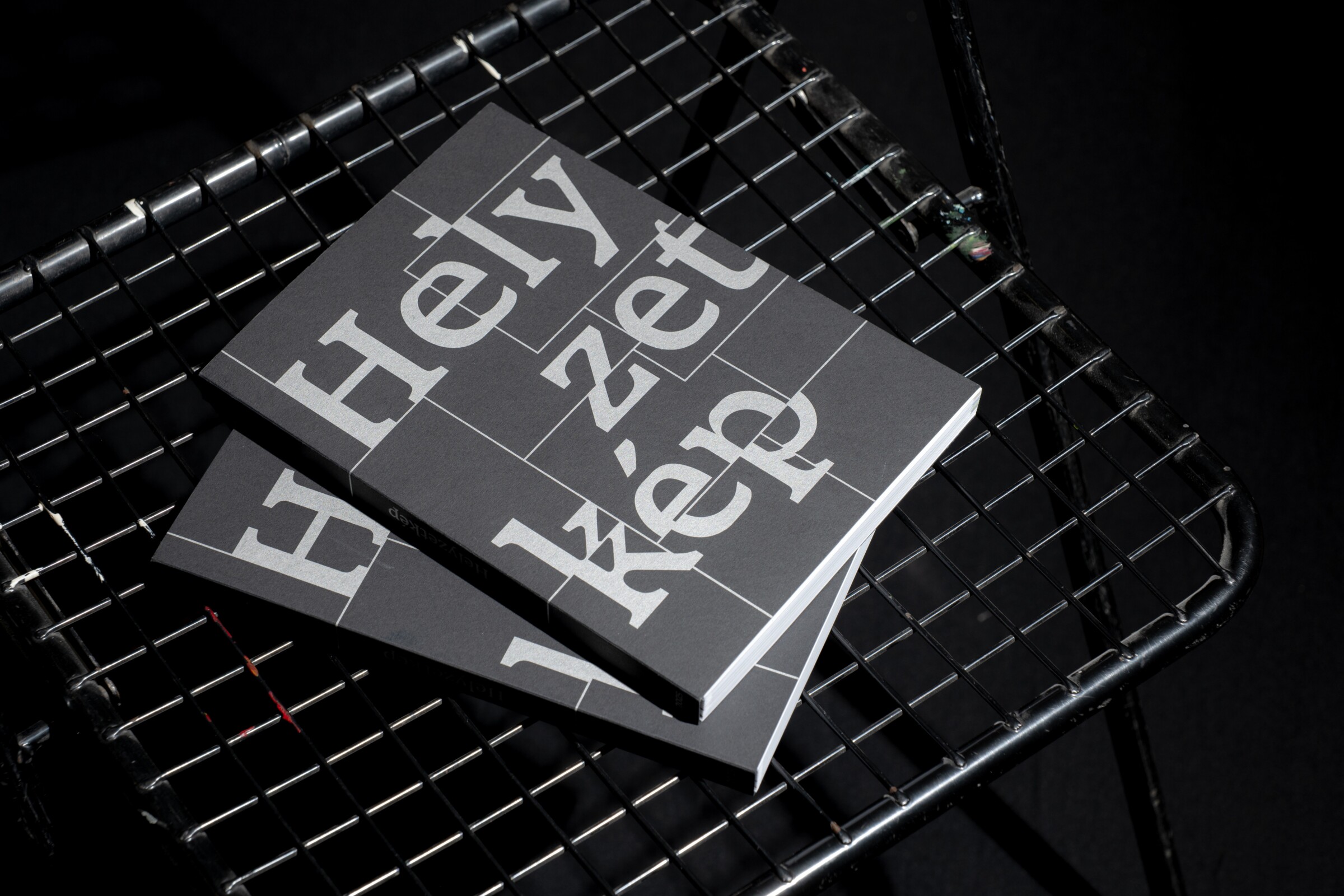
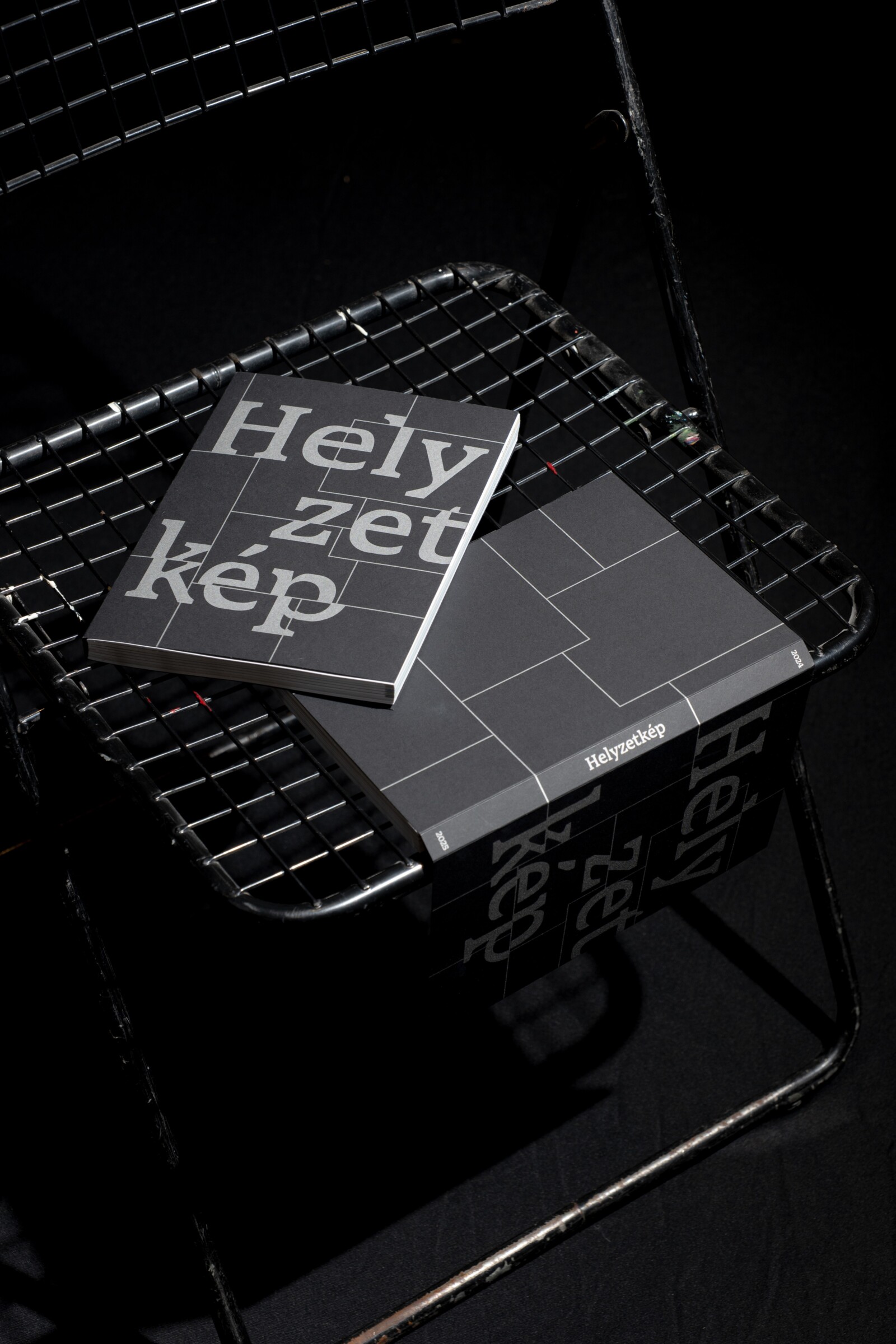
Snapshot
2024
Exhibition titled "Snapshot" by the Department of Architecture of the Széchenyi Academy of Letters and Arts, September 12–27, 2024
Client: Department of Architecture of the Széchenyi Academy of Letters and Arts
Curator: Krisztina Somogyi PhD
Architect and co-curator: Balázs Biri DLA
Graphic designer, typographer: Lili Tóth
Professional advisors: Levente Szabó DLA, László Vincze DLA
Exhibition photo: Balázs Biri DLA
Publication photo: Doro Novák
In 2024, the Department of Architecture at the Széchenyi Academy of Letters and Arts made an important decision when it undertook to organize an exhibition that was open to everyone and invited collective reflection. The exhibition was significant not only because the department, founded in 2010 with five members, stepped into the public sphere, but also because, rather than a showcase-style exhibition, it aimed to be a series of events that fostered an inclusive, genuine professional dialogue.
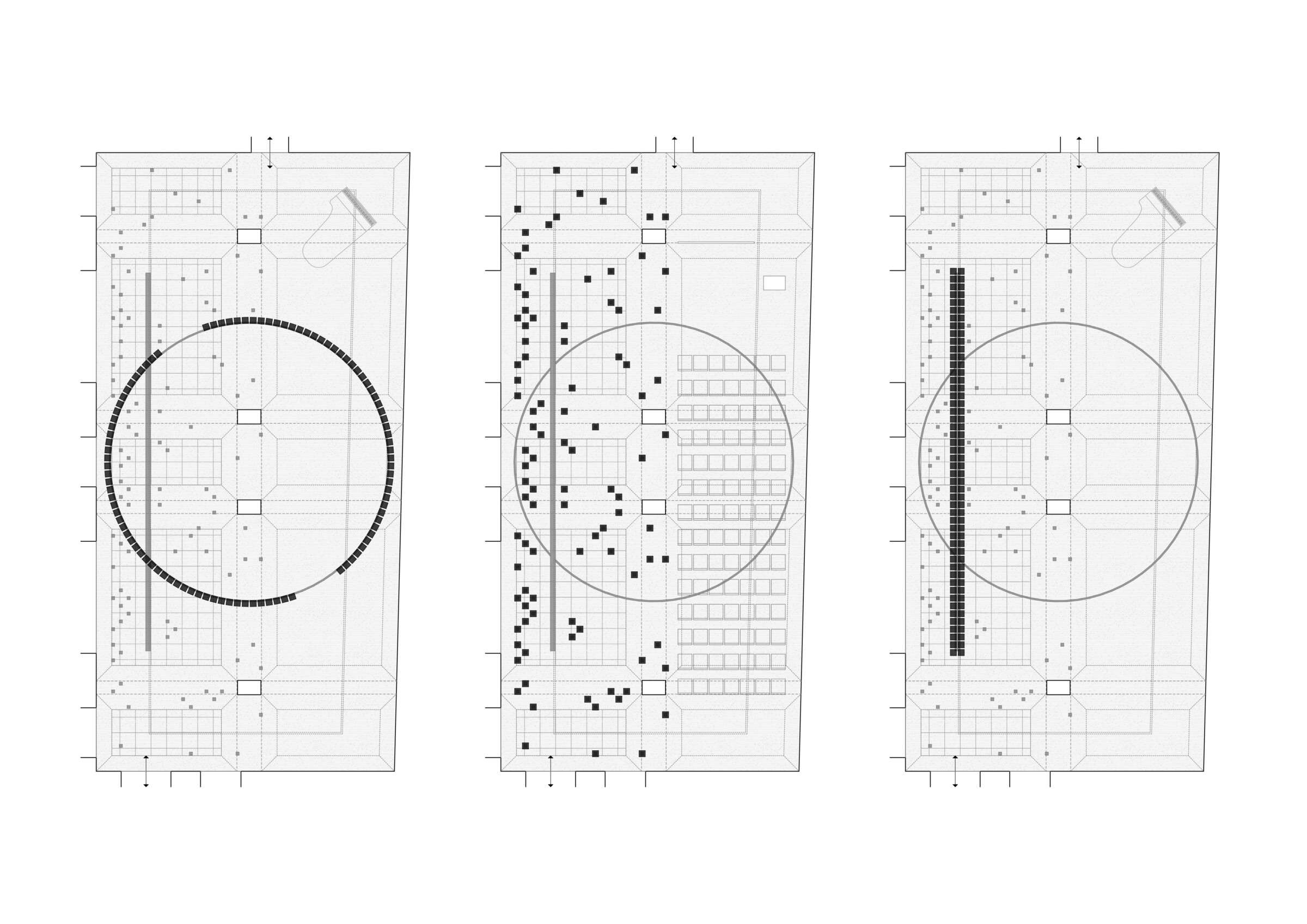
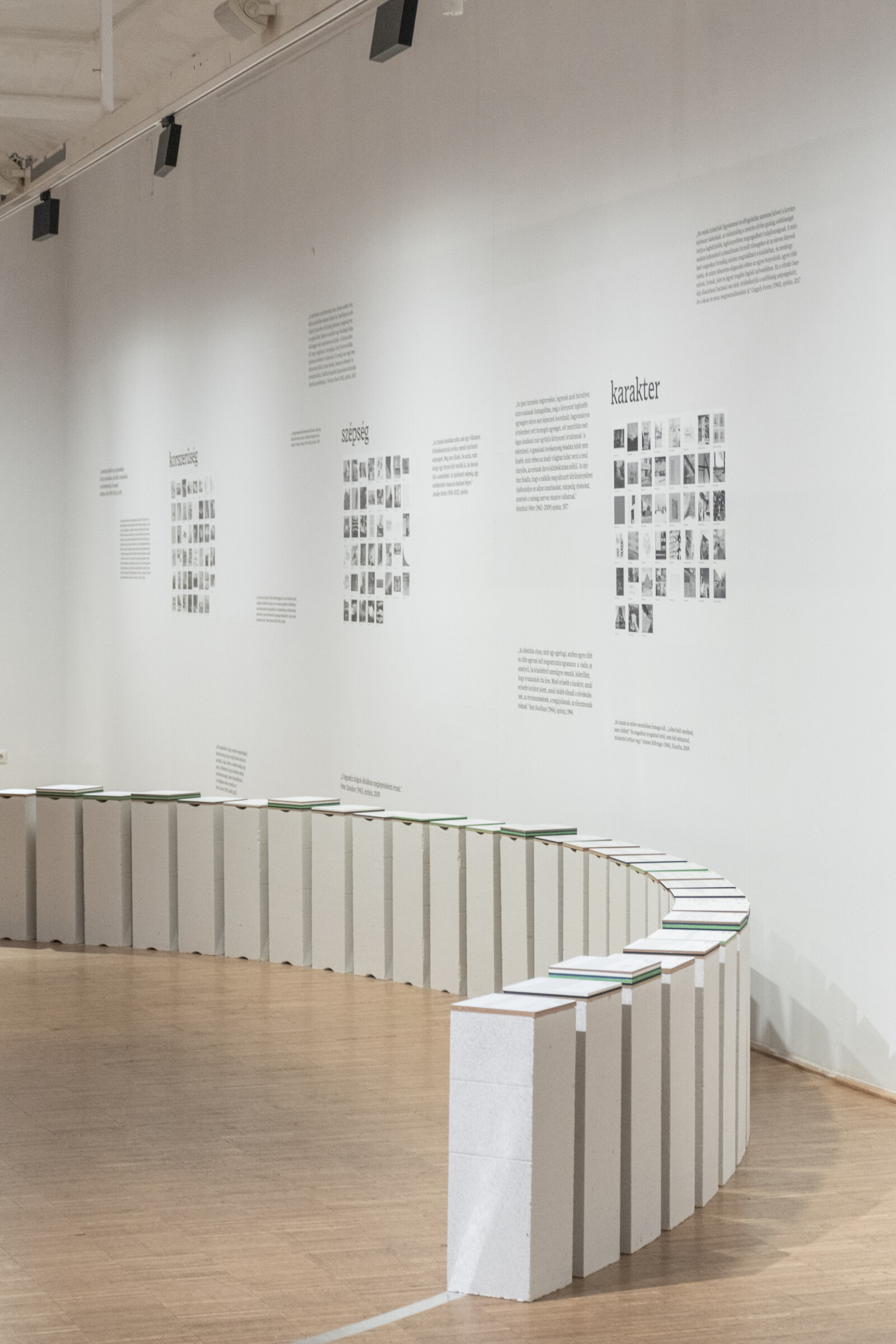
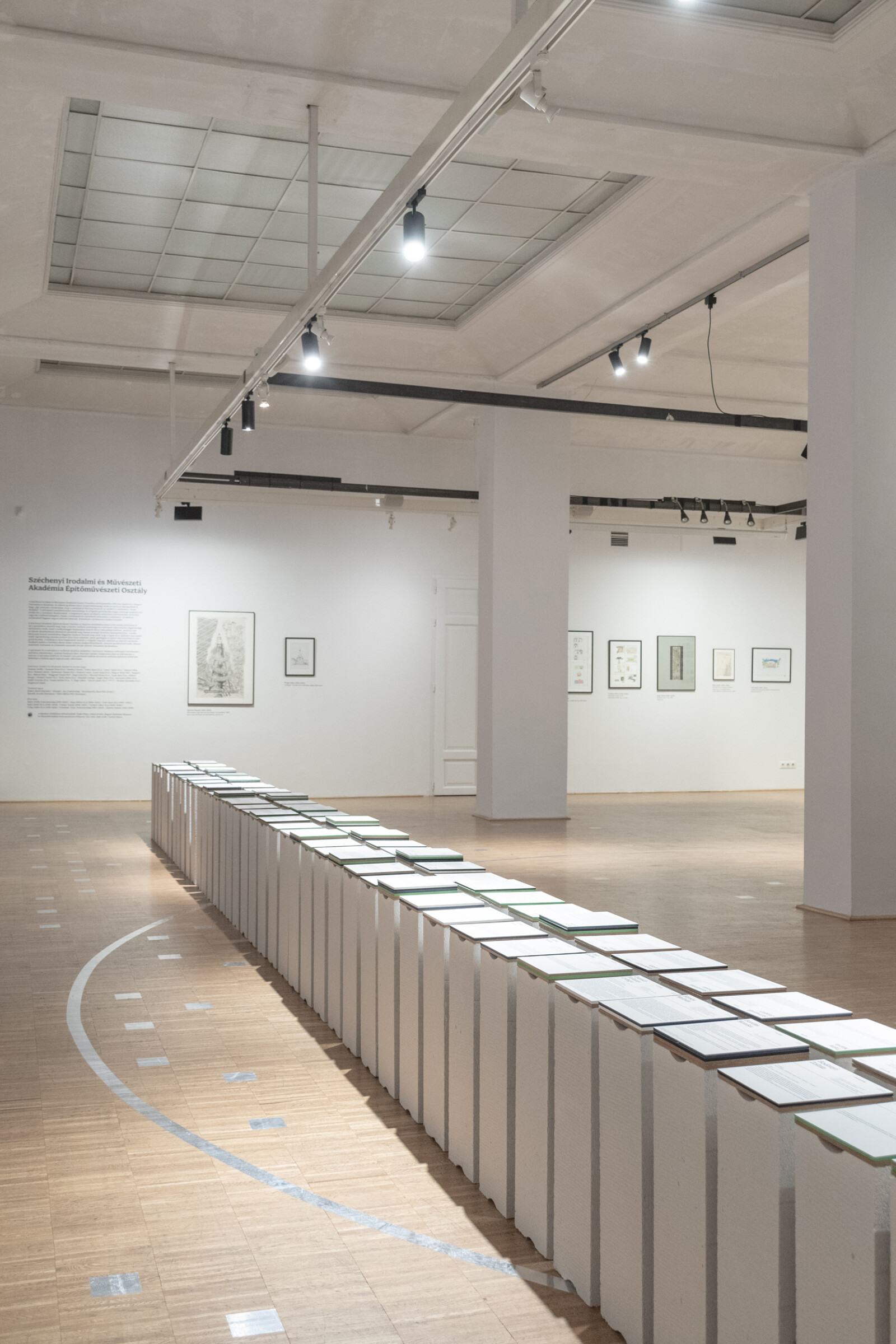
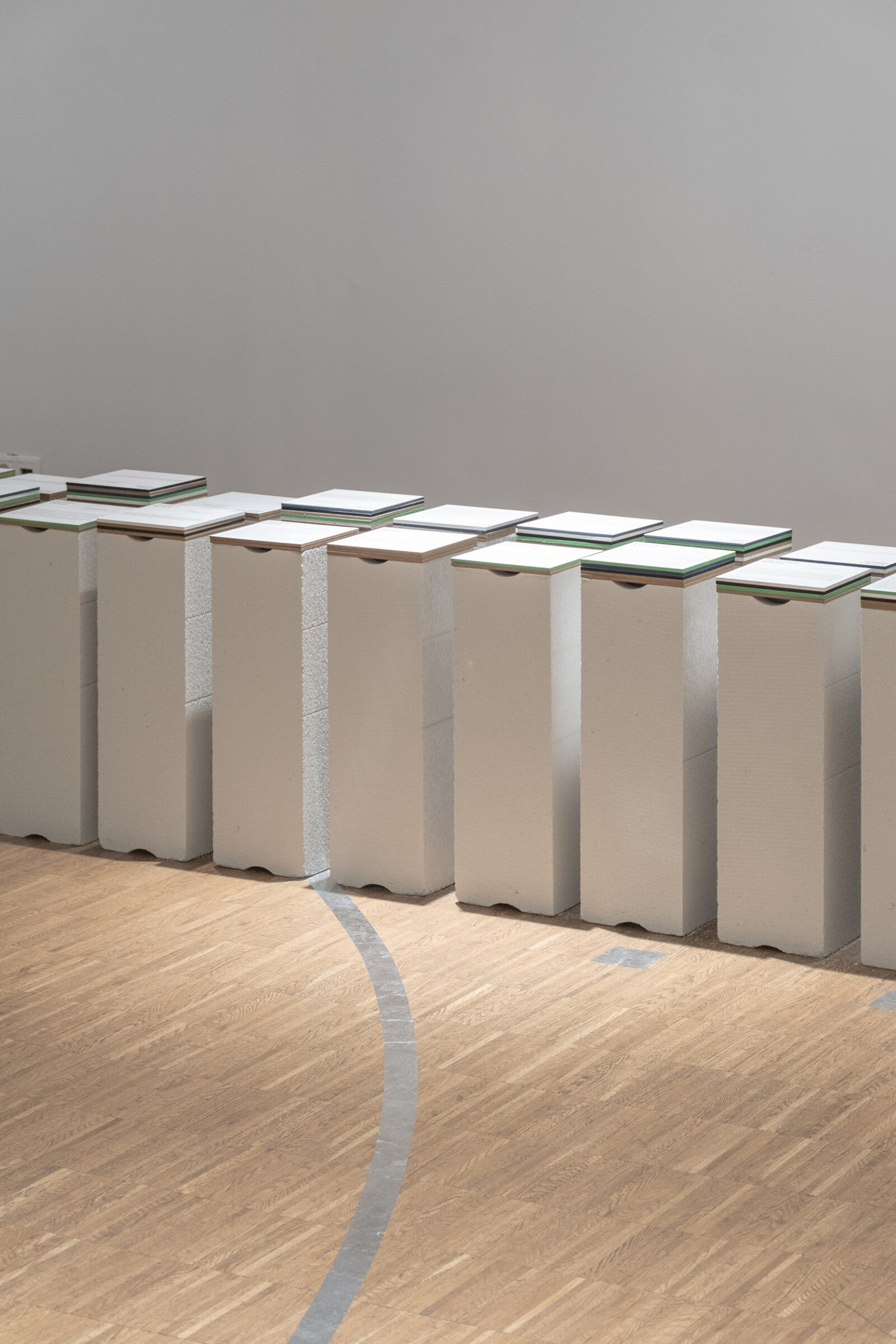
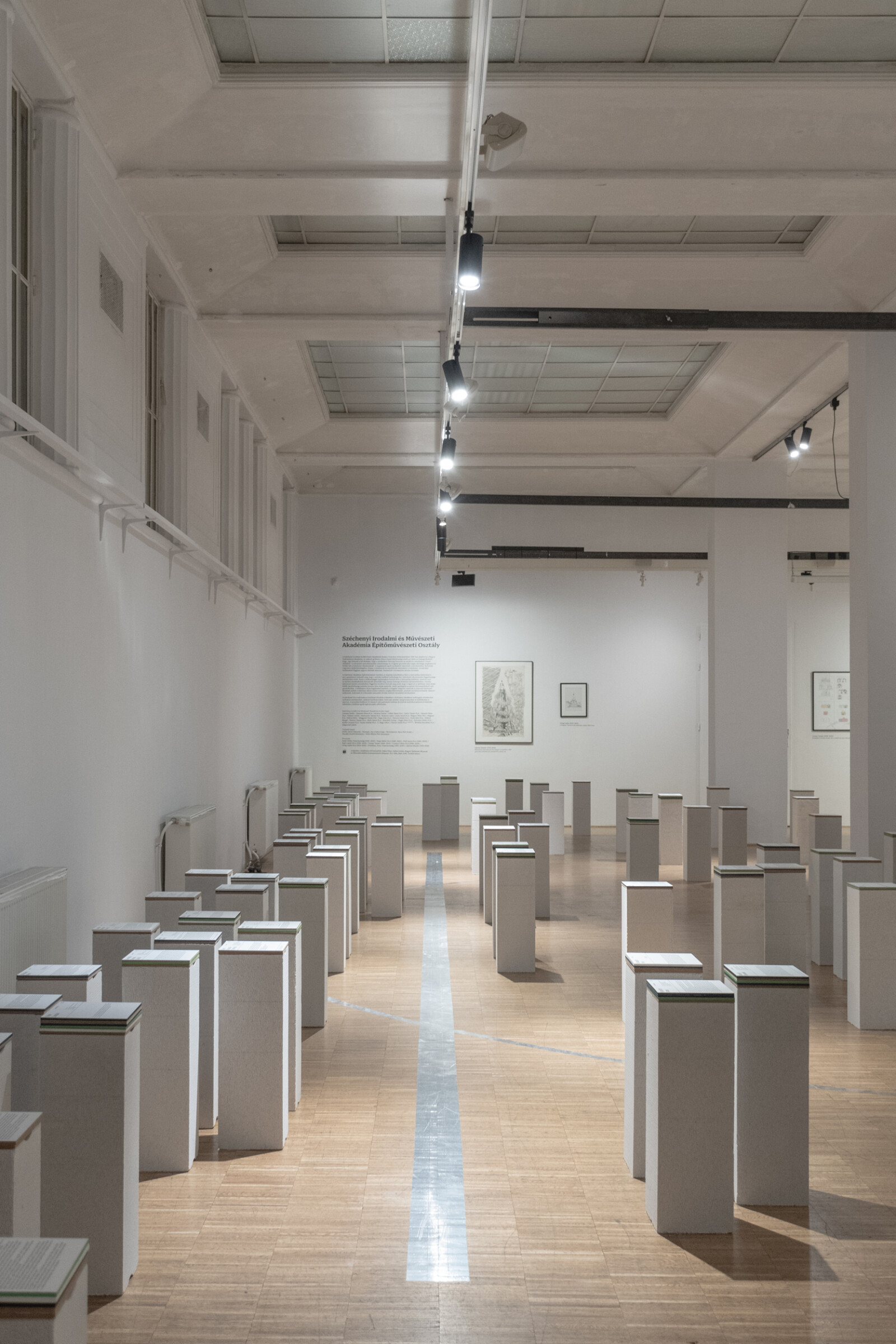
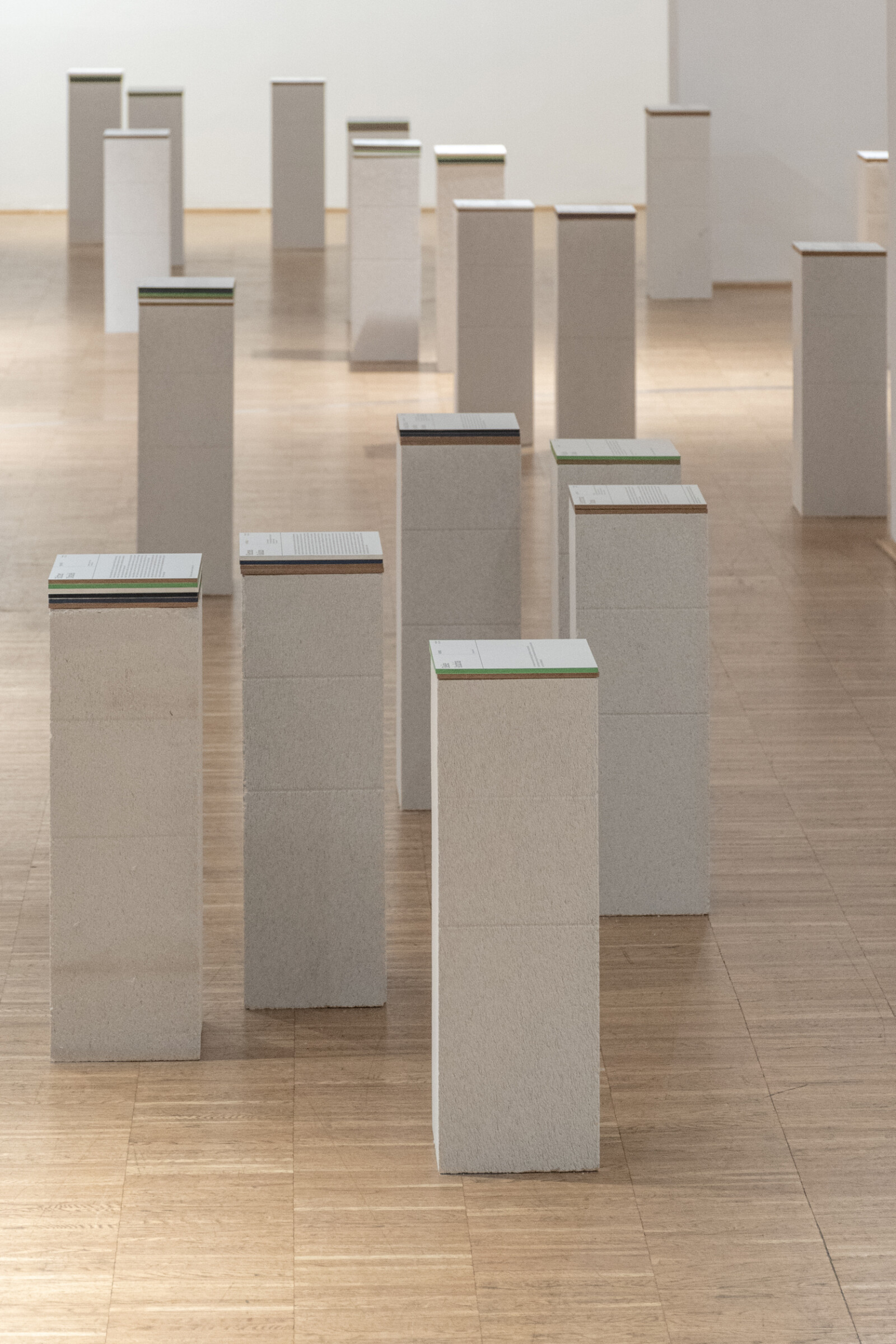
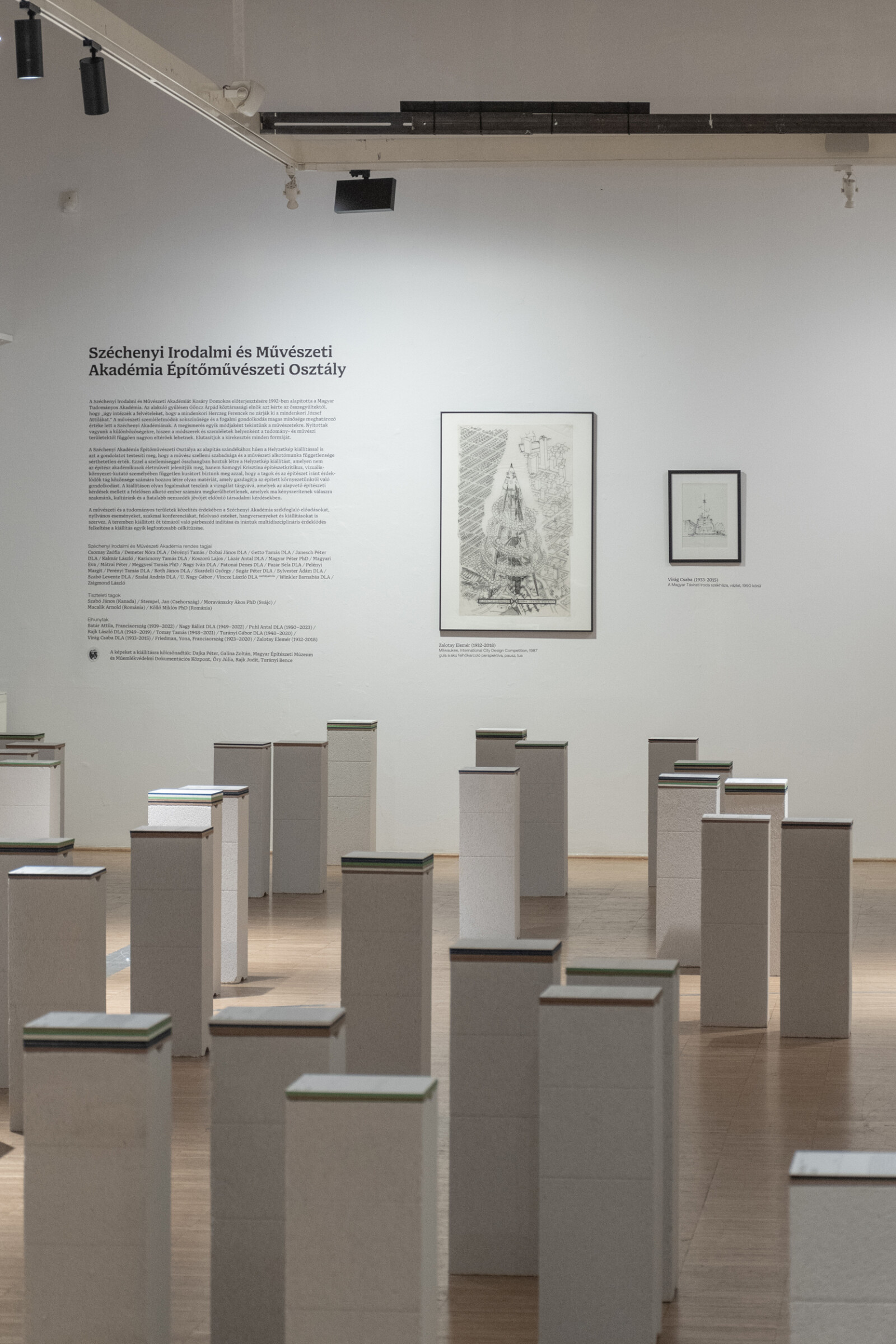
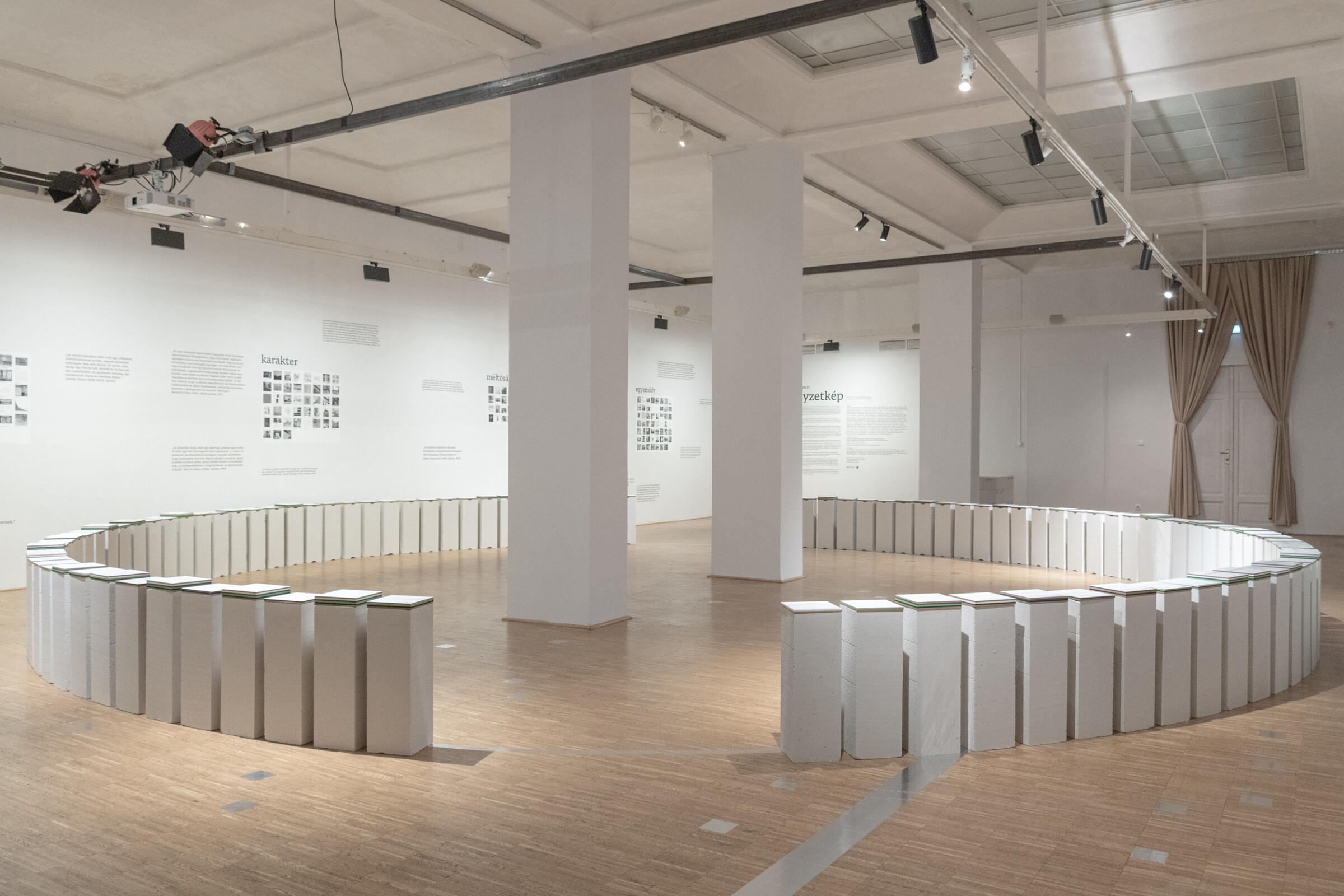
Realized based on the curatorial concept formulated by Krisztina Somogyi, the Helyzetkép exhibition addressed a broad circle of those involved in architecture through five key themes. Reflecting on the concepts of balance, dignity, character, beauty, and modernity, 220 ideas were submitted by 100 architects and architectural communities. The fundamental principle of the exhibition’s architectural concept was to create a neutral and functional installation that, using understated means and receding into the background, could serve both events partially related to the exhibition (opening, keynote lectures, conference, and roundtable discussion as a closing event) and those independent of it (screenings, concerts, discussions), and to encapsulate the dense and diverse cloud of ideas submitted in response to the call within a unified framework through a strict set of rules. The main question of the installation, therefore, was the creation of an adaptive physical environment, as well as the method of presenting the 220 ideas from a given professional milieu of a specific era that responded to the keywords and word clouds. The installation is a possible spatial response to the curatorial call for proposals, a personal interpretation of the concepts raised therein.
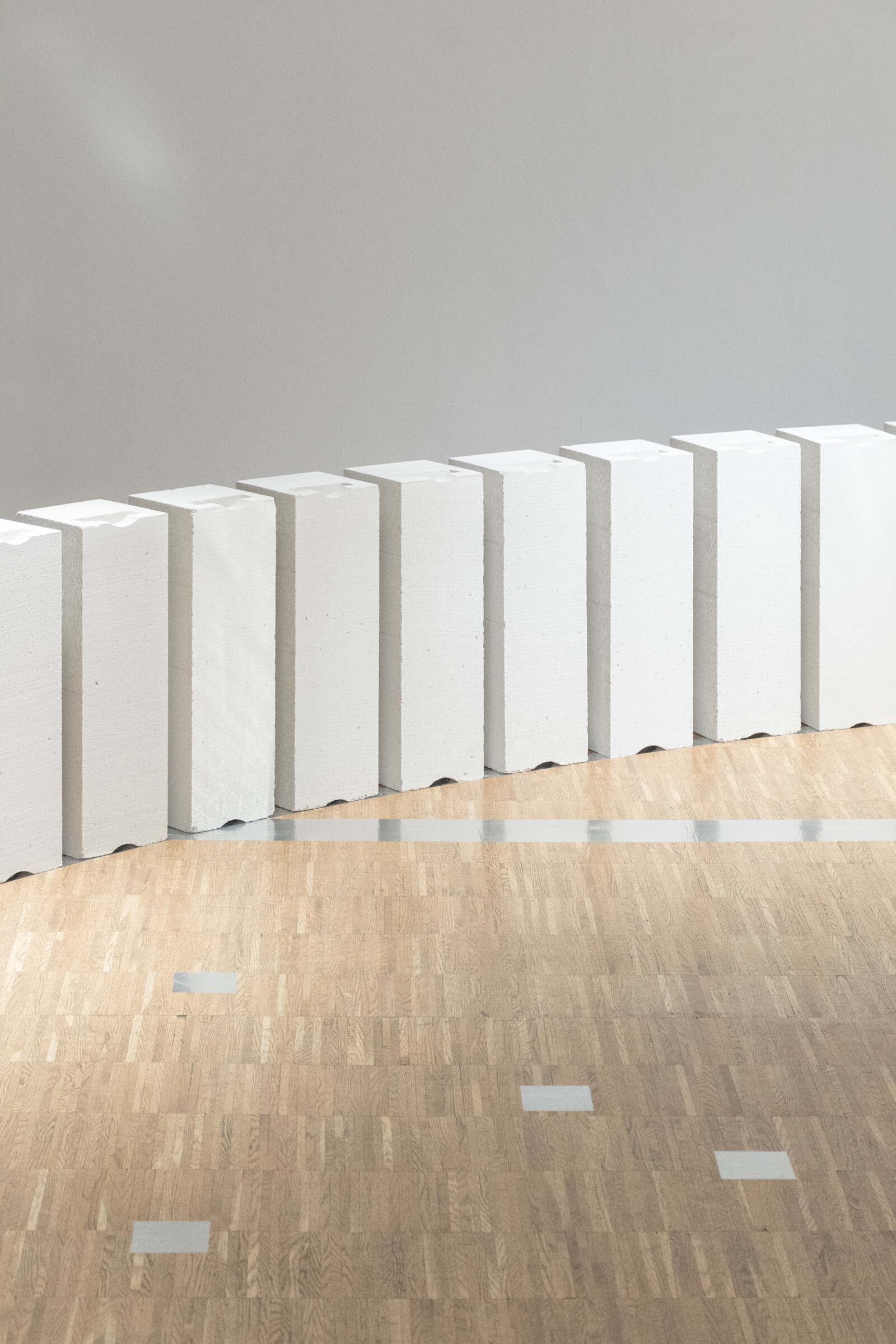
The concept had one more element—barely visible, yet important. We marked the individual states—the three phases of the arrangement—on the floor with silver foil, thereby hinting at the installation’s temporal evolution and simultaneously making the three distinct spatial arrangements perceptible. After the exhibition, the base element serving as a pedestal—porous concrete building material provided by XELLA Hungary—was incorporated into the homes of families in need through the Maltese Charity Service.
Torma Tamás: Humánhossz, in Élet és Irodalom, LXVIII. évfolyam, 41. szám, 2024. október 11.