Former home of Péter Esterházy
2025-2026
Renewing the Former Residence of Péter Esterházy and Creating a Memorial Room
Lead designer: Hetedik Műterem Ltd.
Principal architects: Levente Szabó DLA, Balázs Biri DLA
Architects: Eszter Mantuano, László Rátgéber
Architectural associate: Dorka Jelinek
Professional preparation: Department of Public Building Design, Budapest University of Technology and Economics (Levente Szabó DLA, Péter Kronavetter DLA, Lotti Hugauf, Júlia Polyák, Borbála Prőhle)
Structural engineering: Dr. Miklós Armuth
Construction detail design: Károly Nagy
3D measurement: G3 Mérnökiroda Ltd.
Graphic design: Ákos Polgárdi, Submachine
Lighting design: LumoConcept
Memorial room furniture: Bartwood
Wall printing: Prix Ltd.
Client: Magyar Irodalom Barátai Alkotóháza Foundation
General contractor: Market Zrt.
Photography: Balázs Biri
Archival photographs: Esterházy Family Archive, Péter Kollányi, András Szebeni
The direct intellectual precursor to the renovation plan was a university course offered by the Department of Public Building Design at the Budapest University of Technology and Economics, in which students and instructors explored, as broadly as possible, the question of what a memorial house means and what significance a building can have when it is regarded as a national treasure not primarily for its architectural value, but for the importance of its former occupant. The house is not a listed monument and is not significant in architectural terms. Yet today it is one of the most important “places” in Hungary, as it is inextricably linked to the affection that new generations of readers feel for Péter Esterházy’s writings and, indeed, for everything he represented.
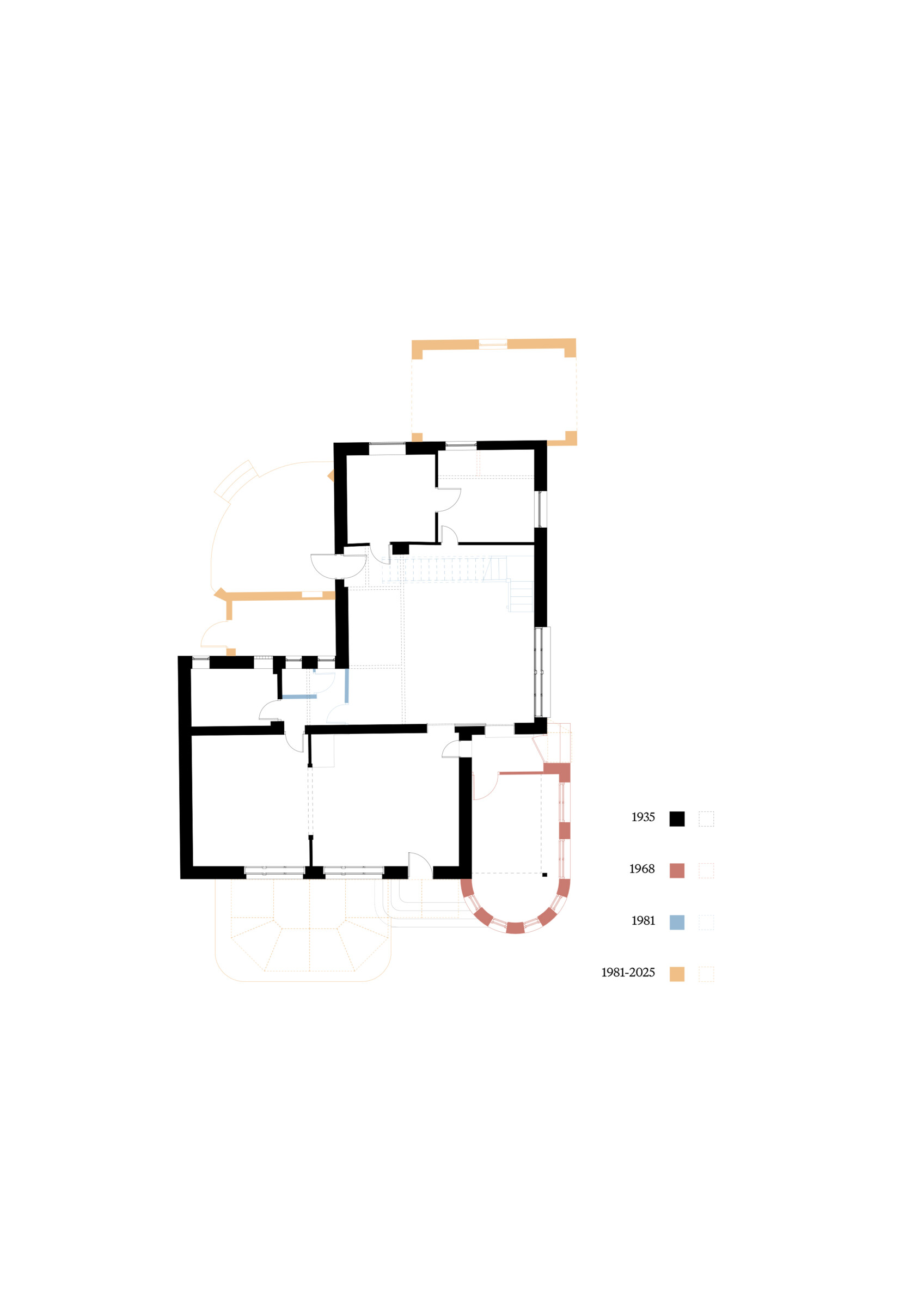
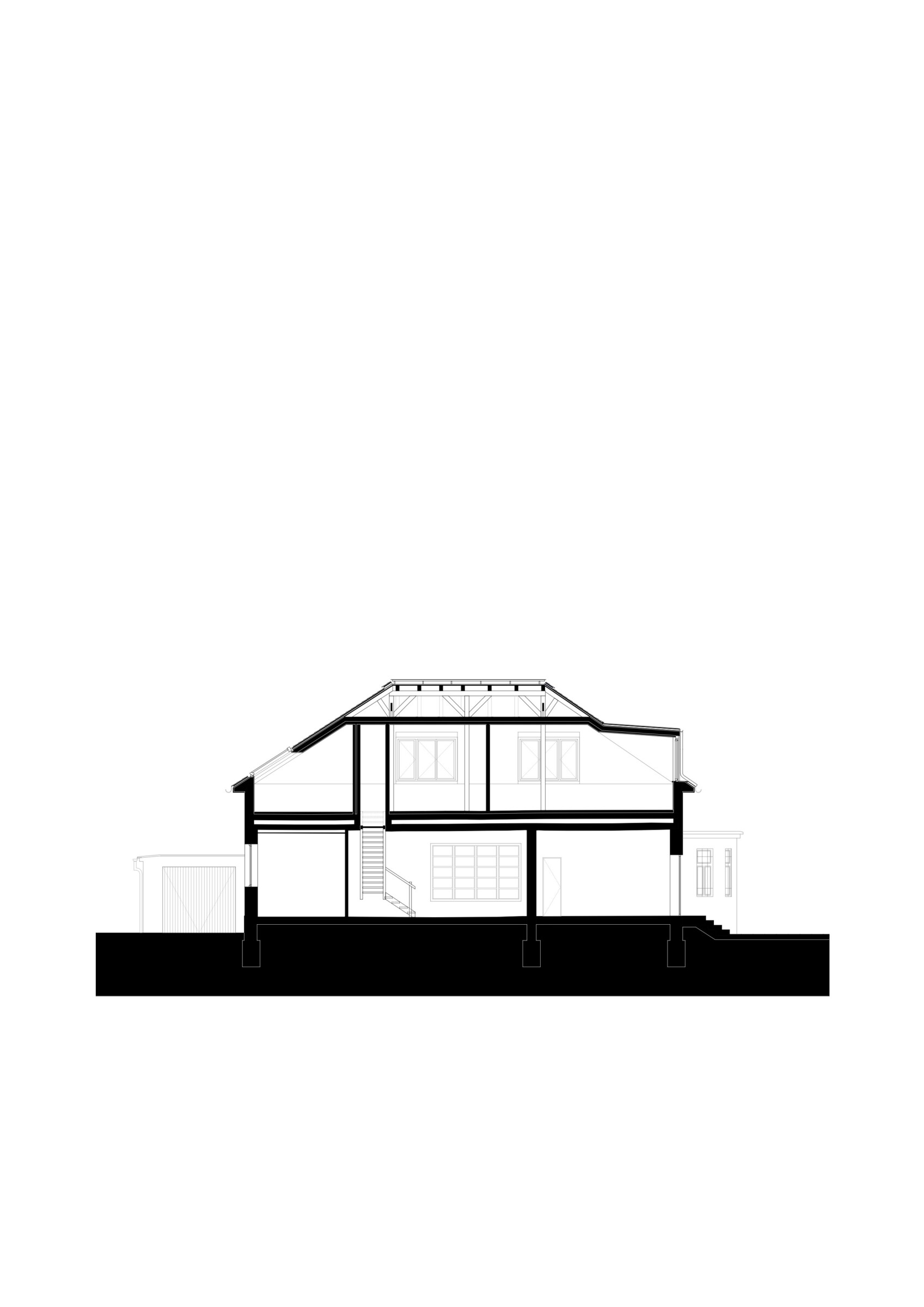
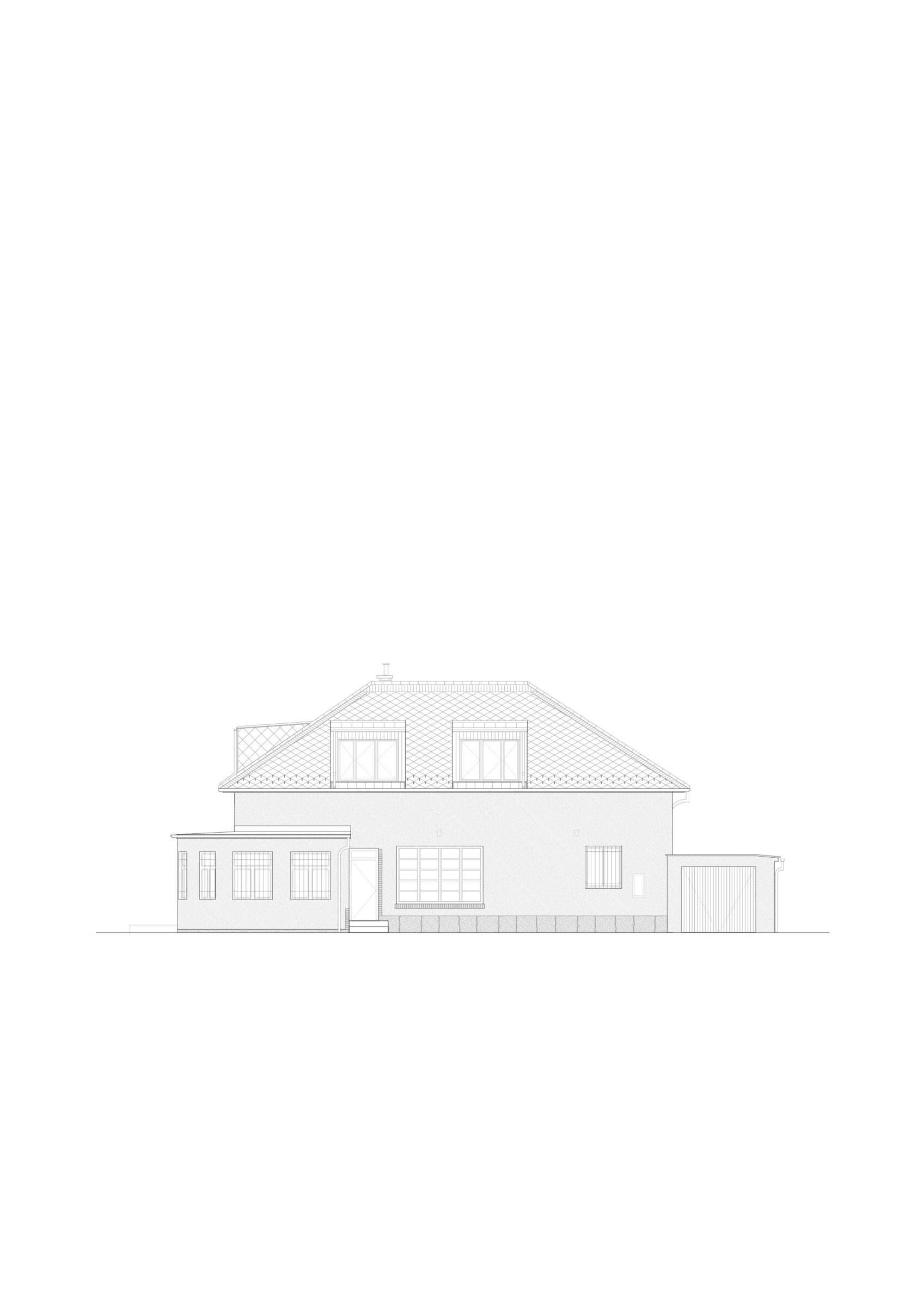
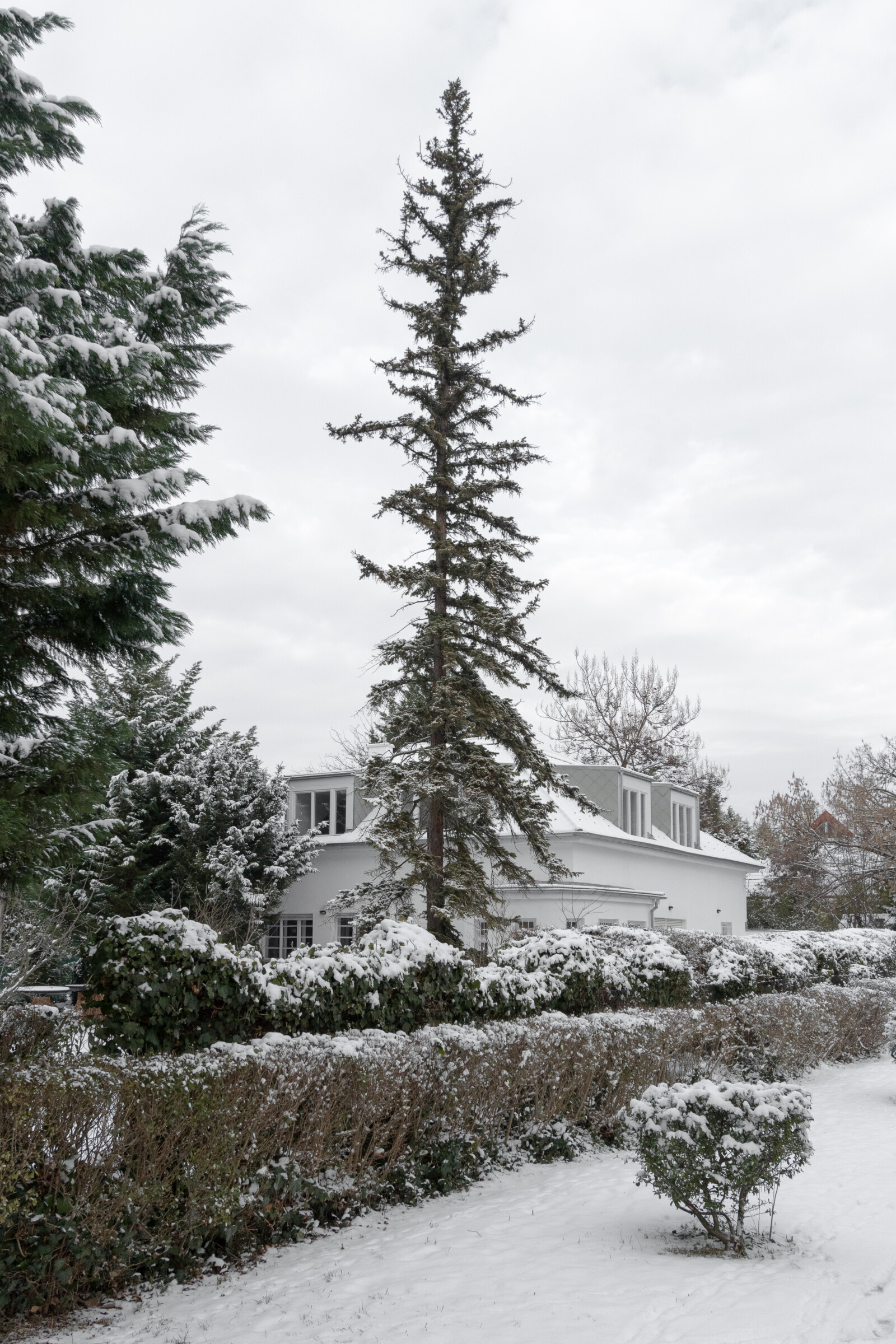
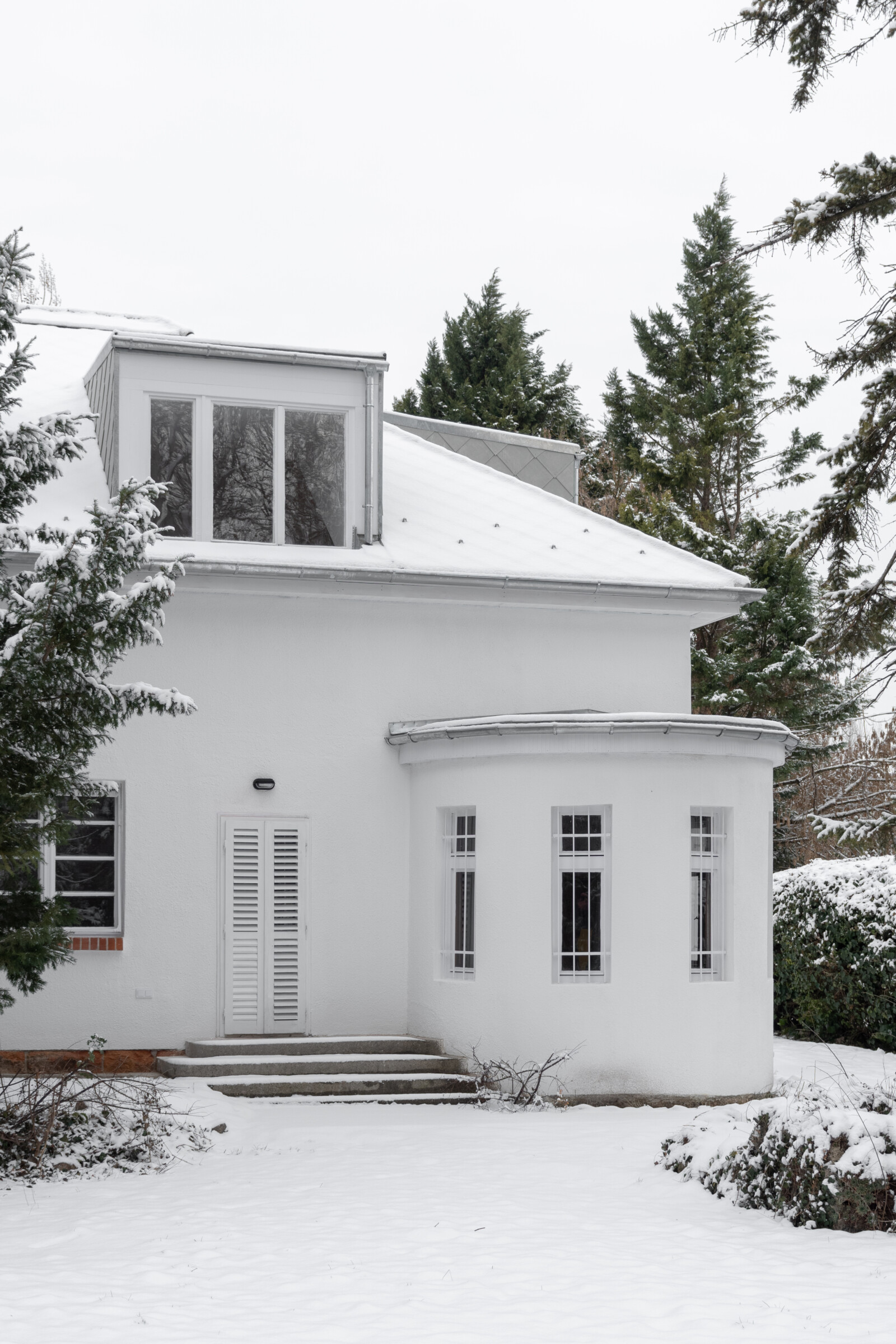
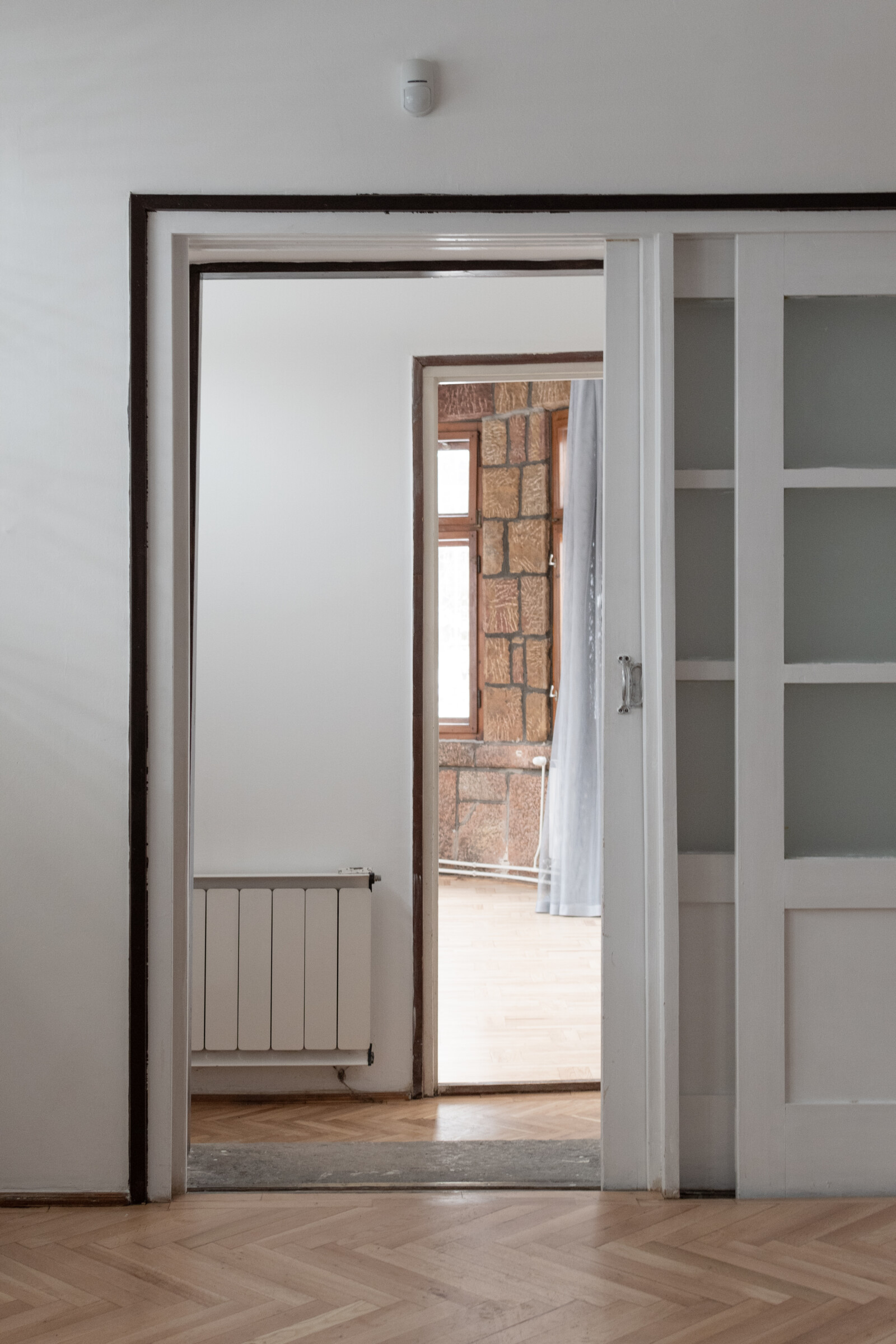
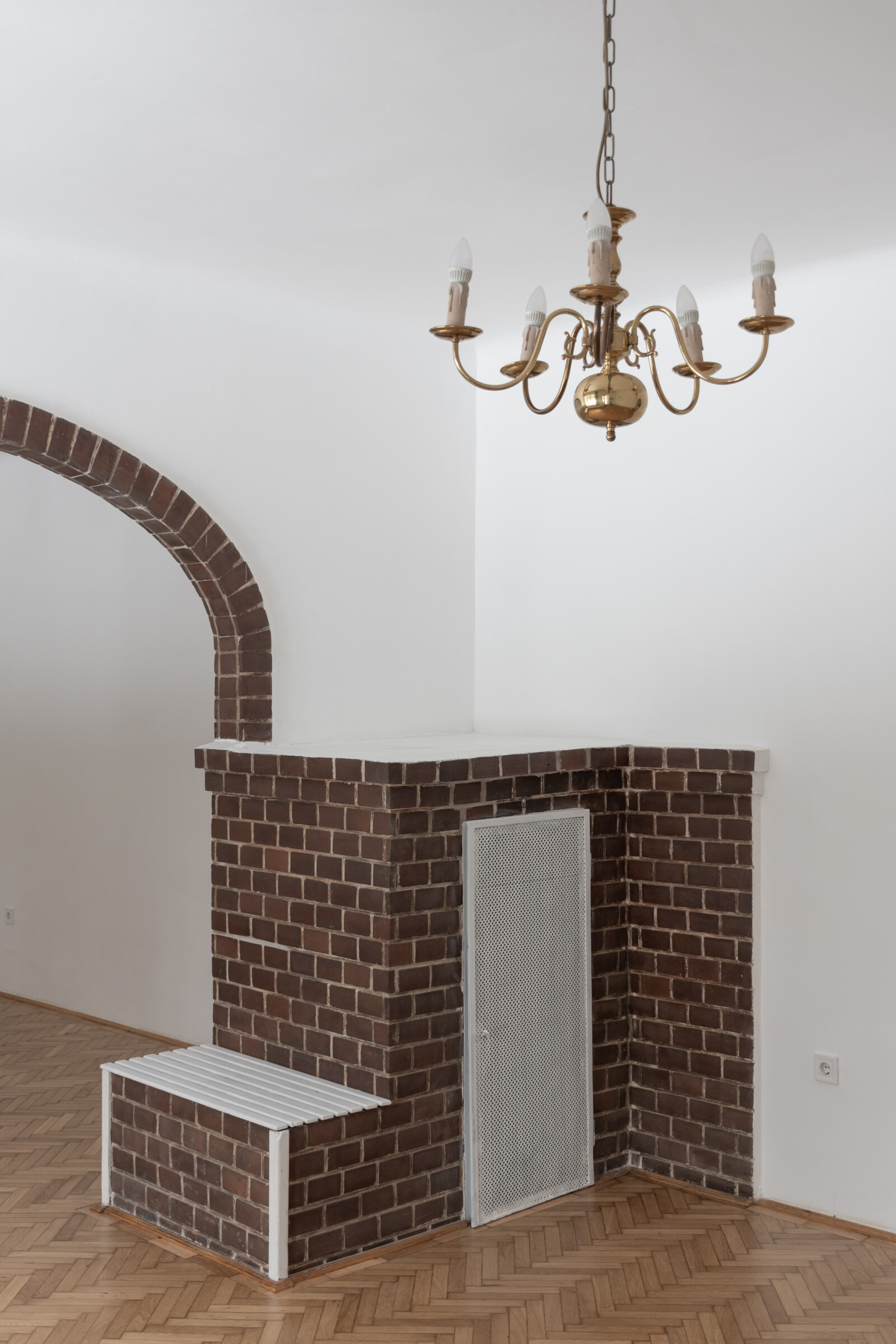
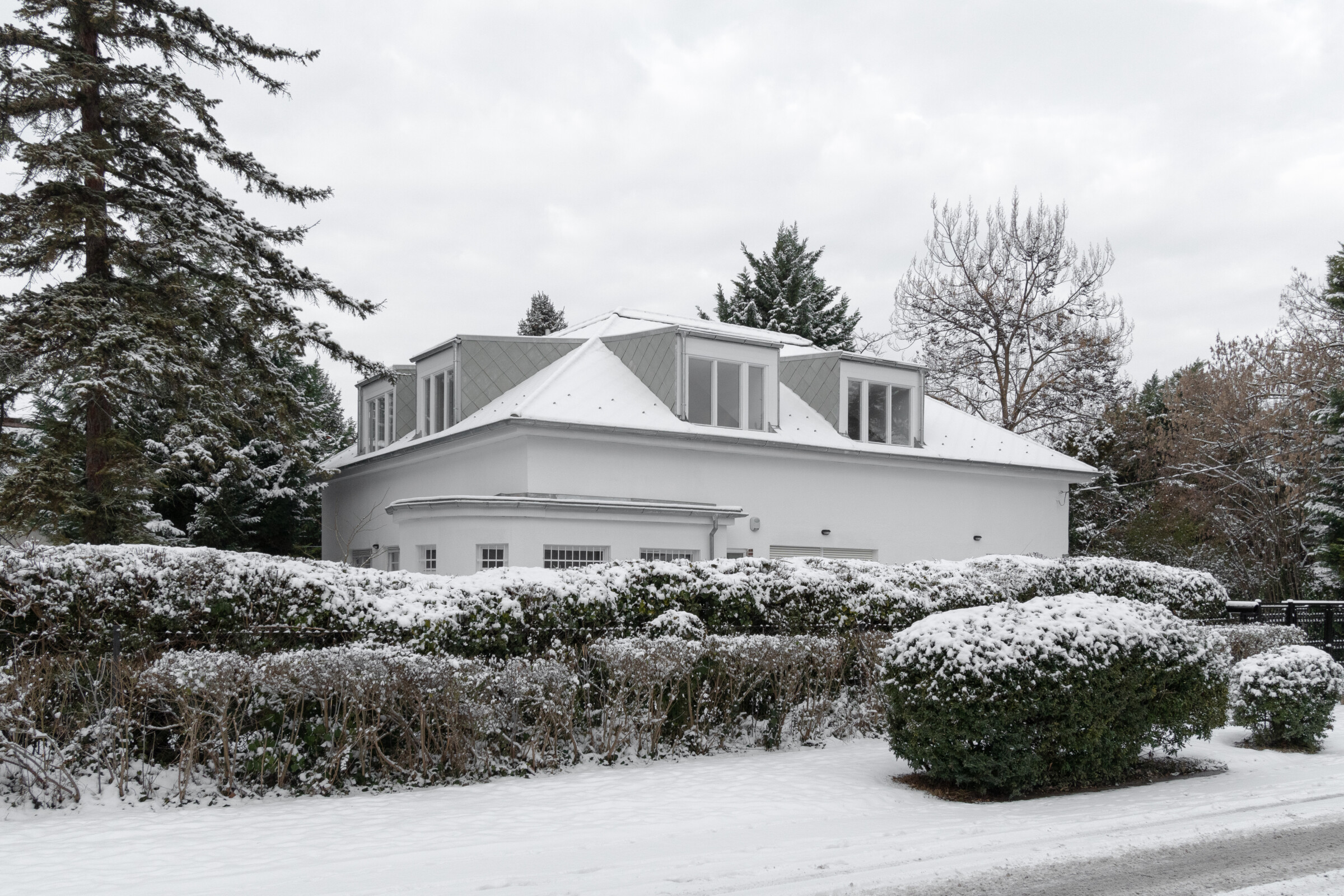
Our intellectual premise was clear from the outset: the small holiday house built in 1935, later extended in the early 1980s and again in the early 1990s, is not a listed building and has no protected status. Its architectural value is not exceptional, and the layers of successive renovations—some of higher, others of lesser quality—remain visible to this day. Nevertheless, the house is significant. It was the former home of Péter Esterházy, an internationally recognized figure not only in Hungarian literature but in Hungarian culture more broadly, and many of his most important works were written within its walls. This fundamental premise justified our approach: wherever possible, we sought to preserve and renovate the original structures and materials, and, where necessary, to reconstruct elements of the building’s earlier architectural character. Only minor corrections were introduced—interventions that did not alter the essential atmosphere of the house but were warranted within a renovation of this scale. In simple terms, through careful consideration and extensive consultation, our aim was to ensure that anyone passing by would perceive the building—inside and out—as essentially unchanged, as it once was.
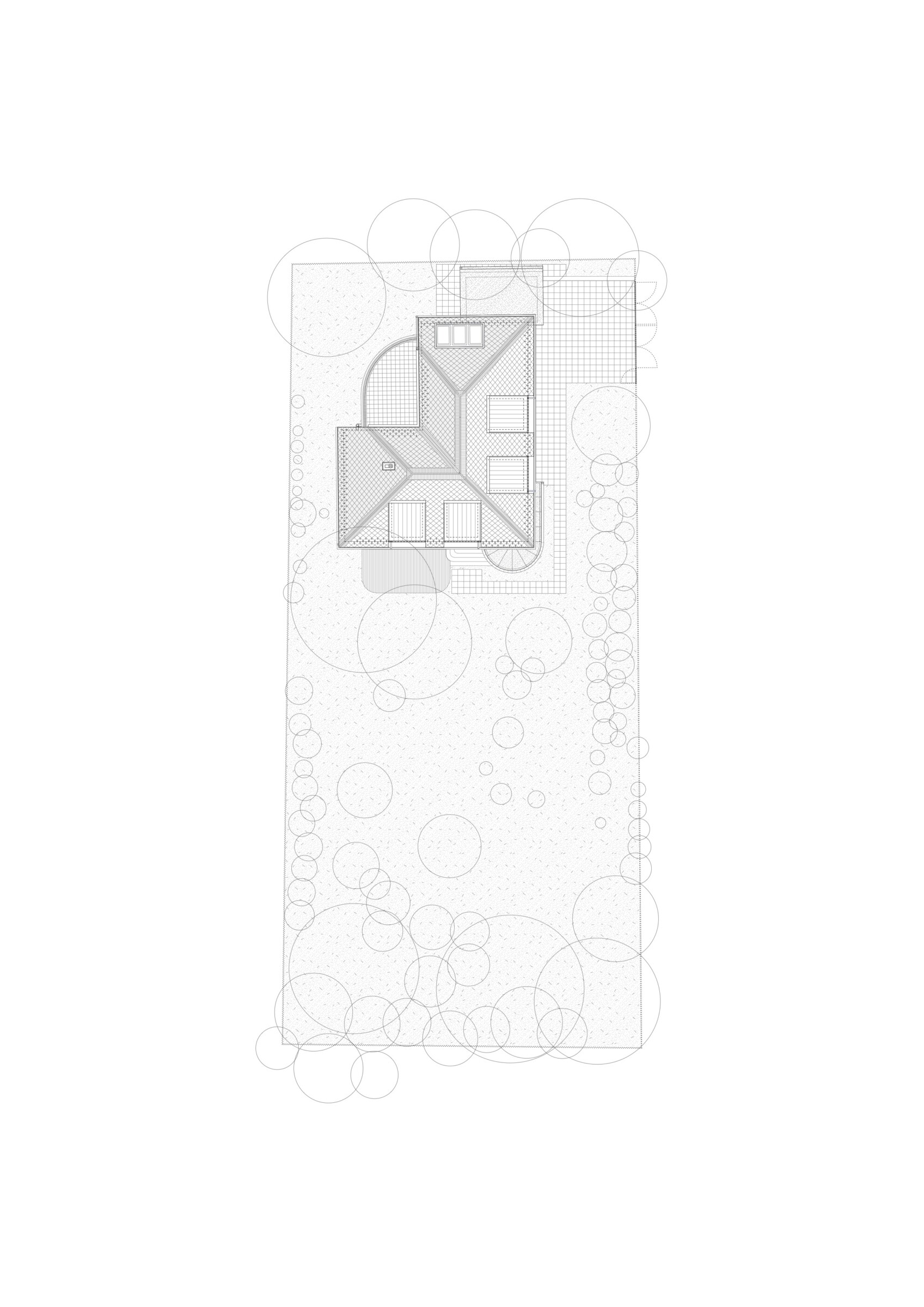
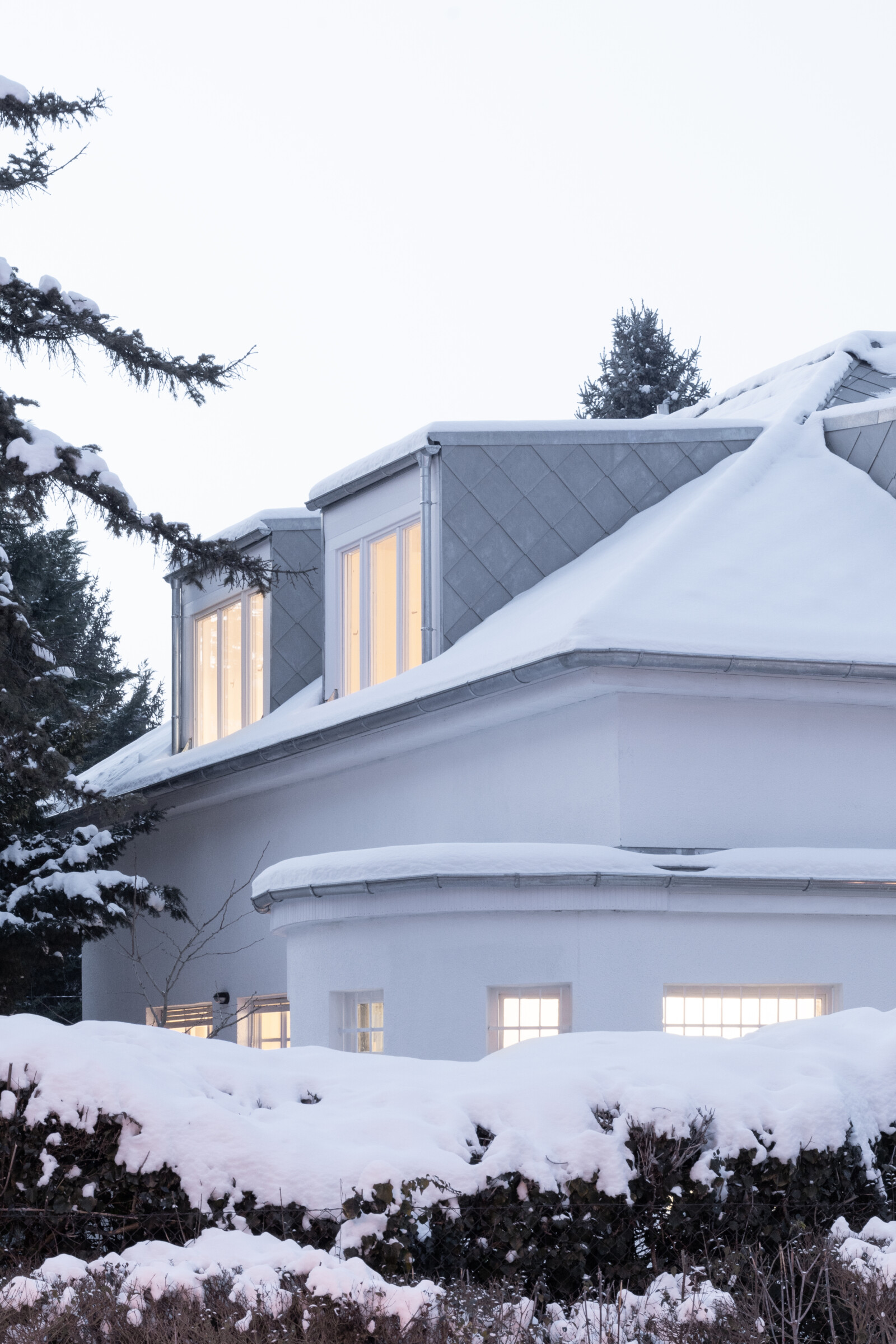
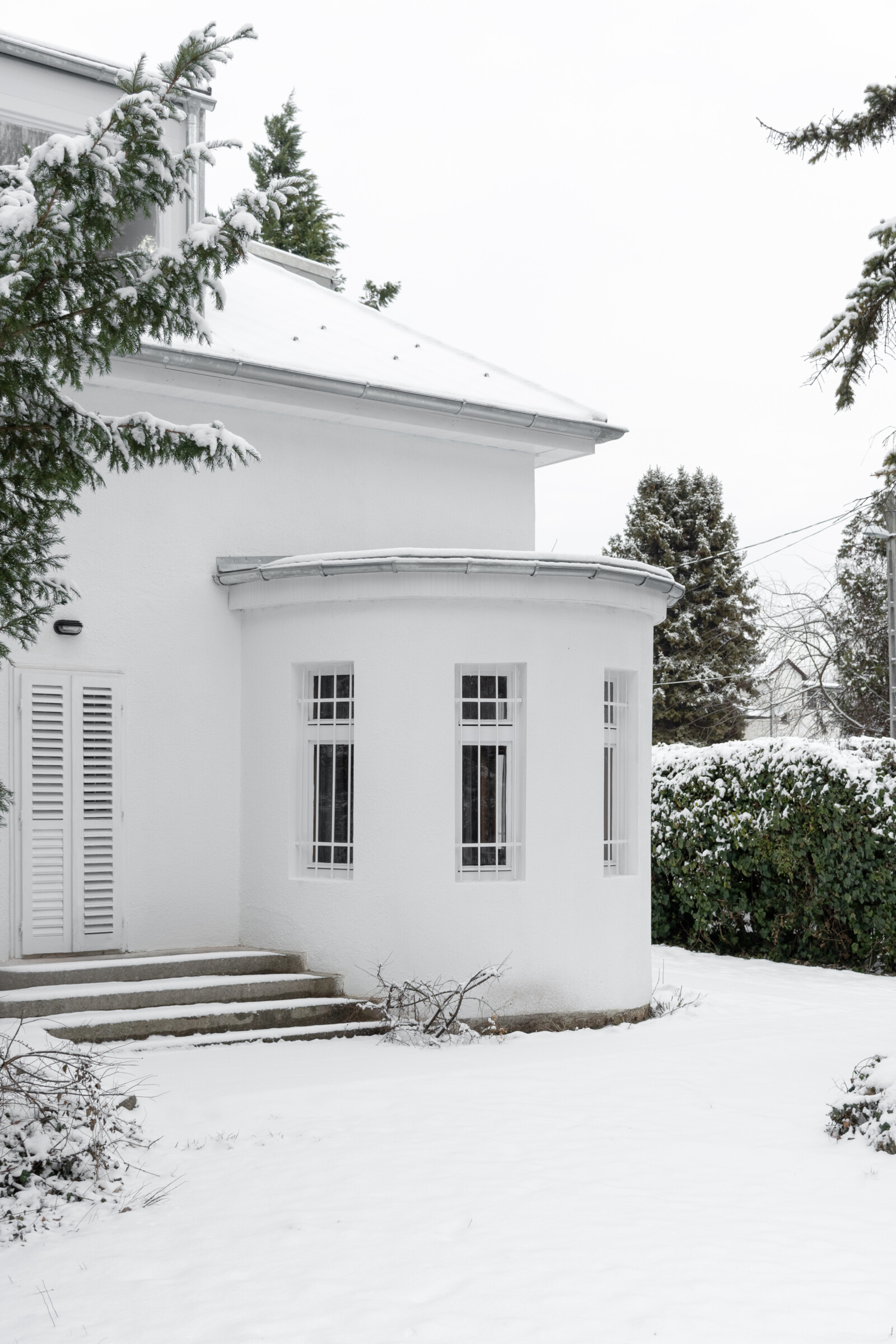
The most substantial architectural intervention was the complete renovation of the roof. A new structural system and build-up were introduced, with careful attention to materials and architectural detailing, including the shingle roofing, zinc sheet-metal elements, eaves cladding, and the precise articulation of roof structures. The façade retained its original stone-dust plaster finish, and the existing windows and doors—ranging from 40 to 100 years old—were preserved. Contemporary structures were introduced only where replacement was necessary or where new insertions justified a distinct architectural expression.
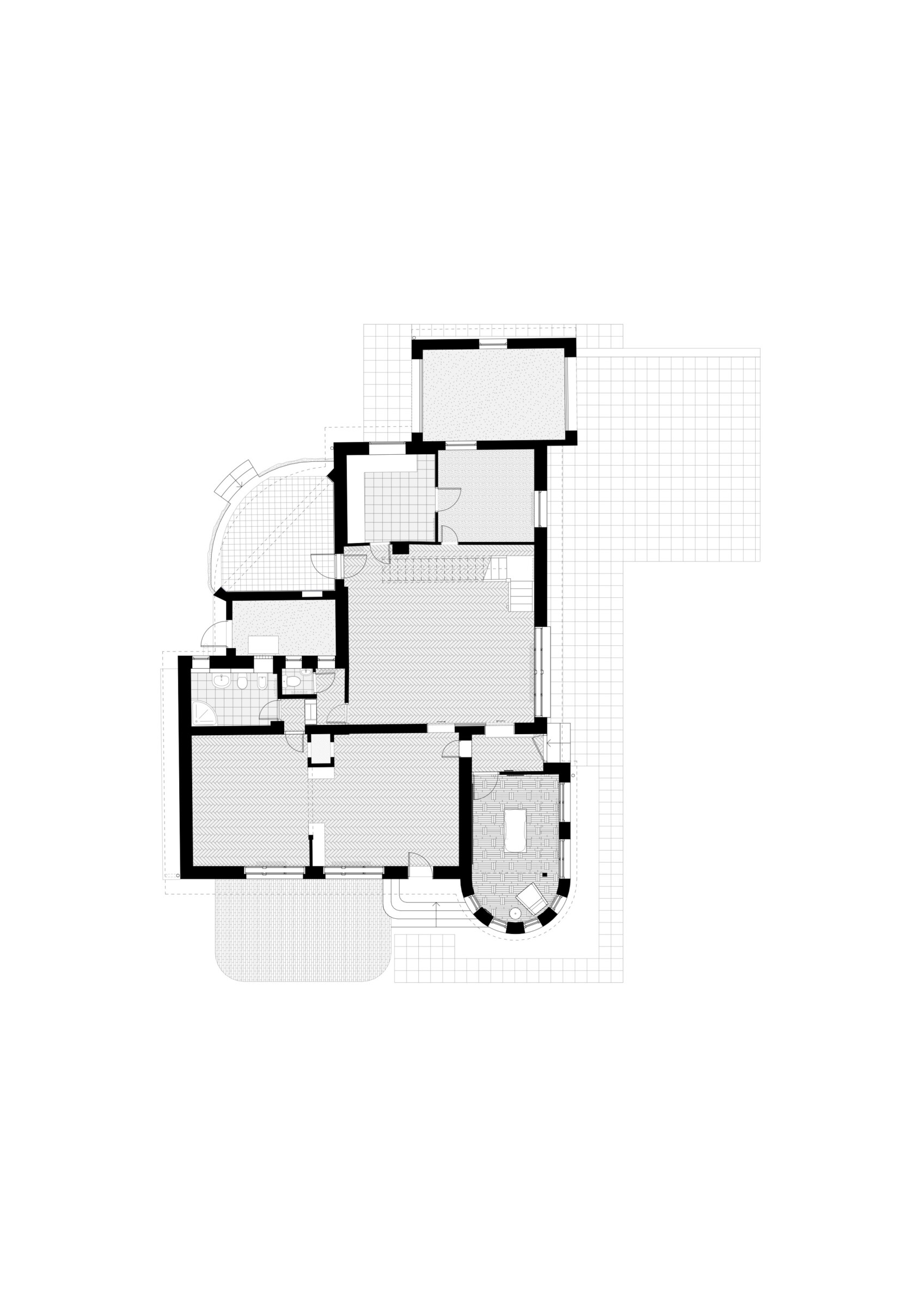
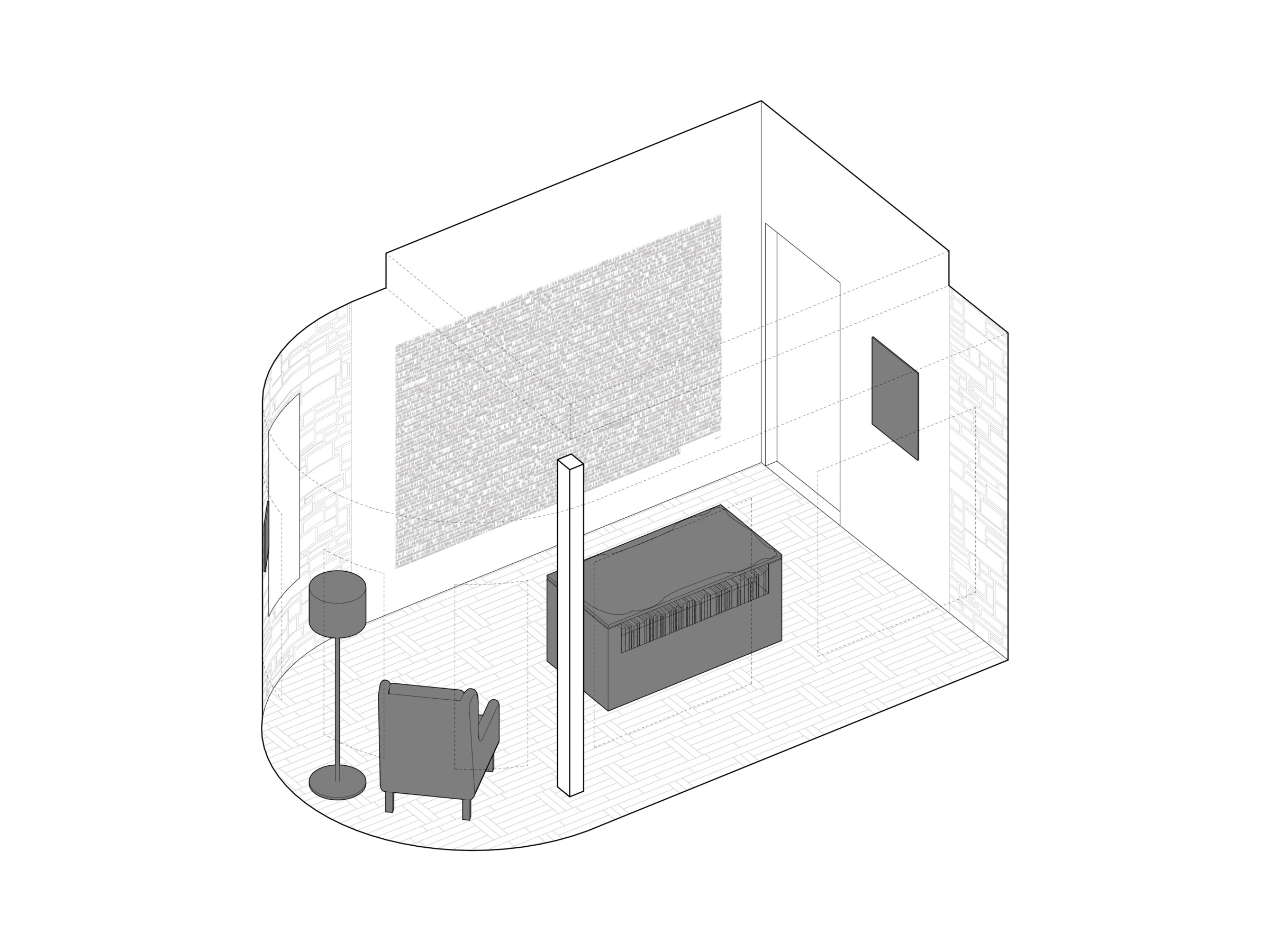
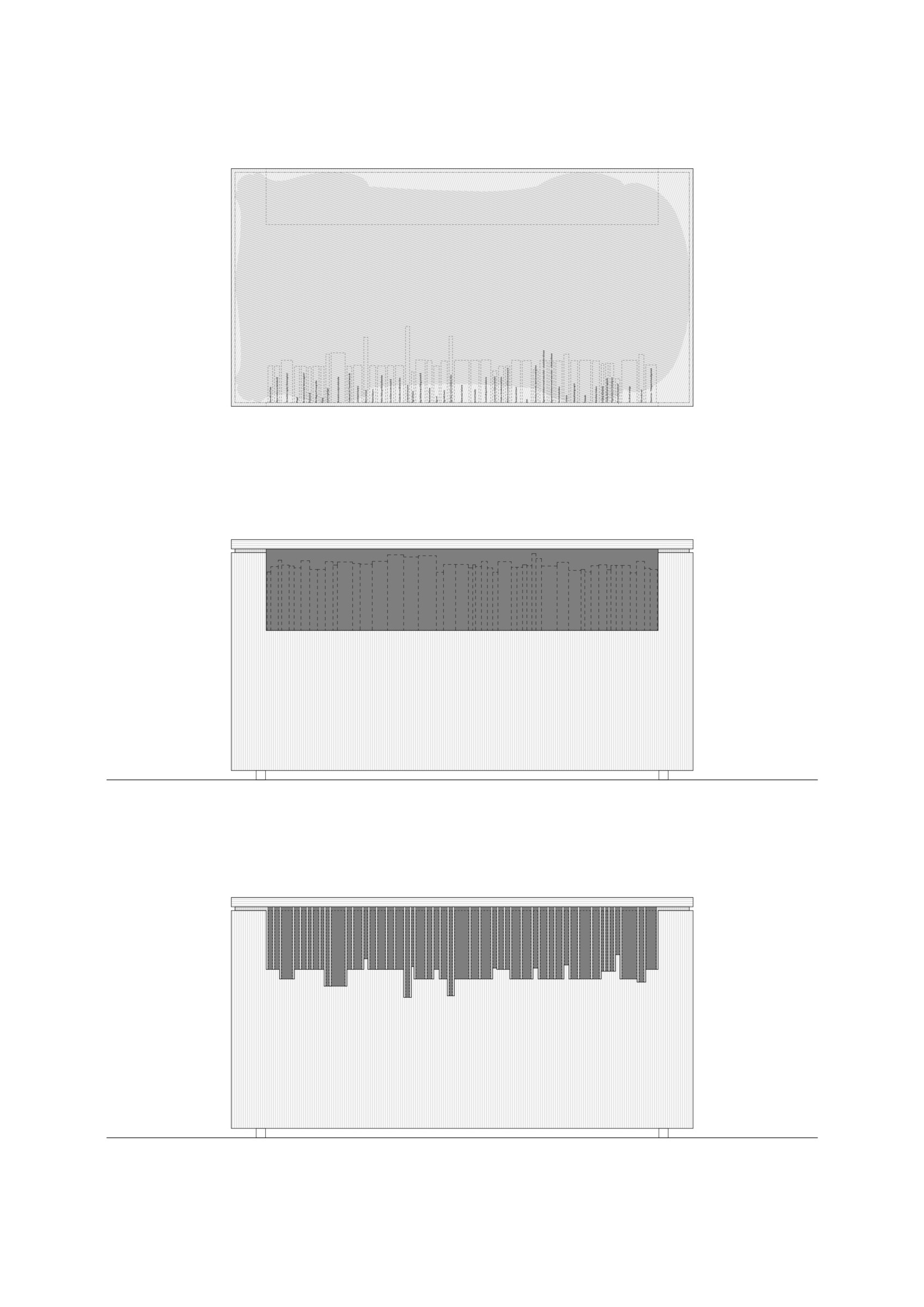
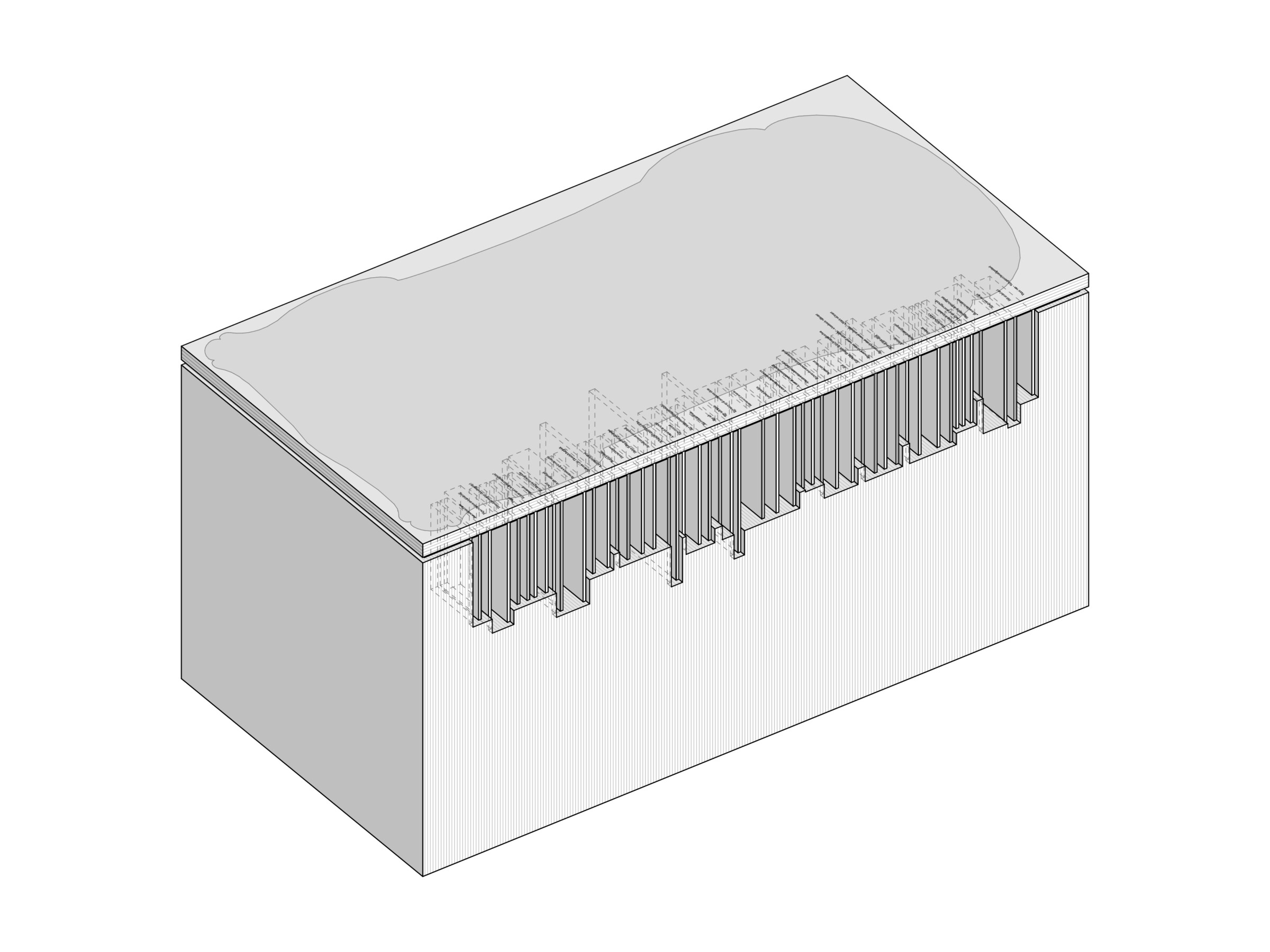
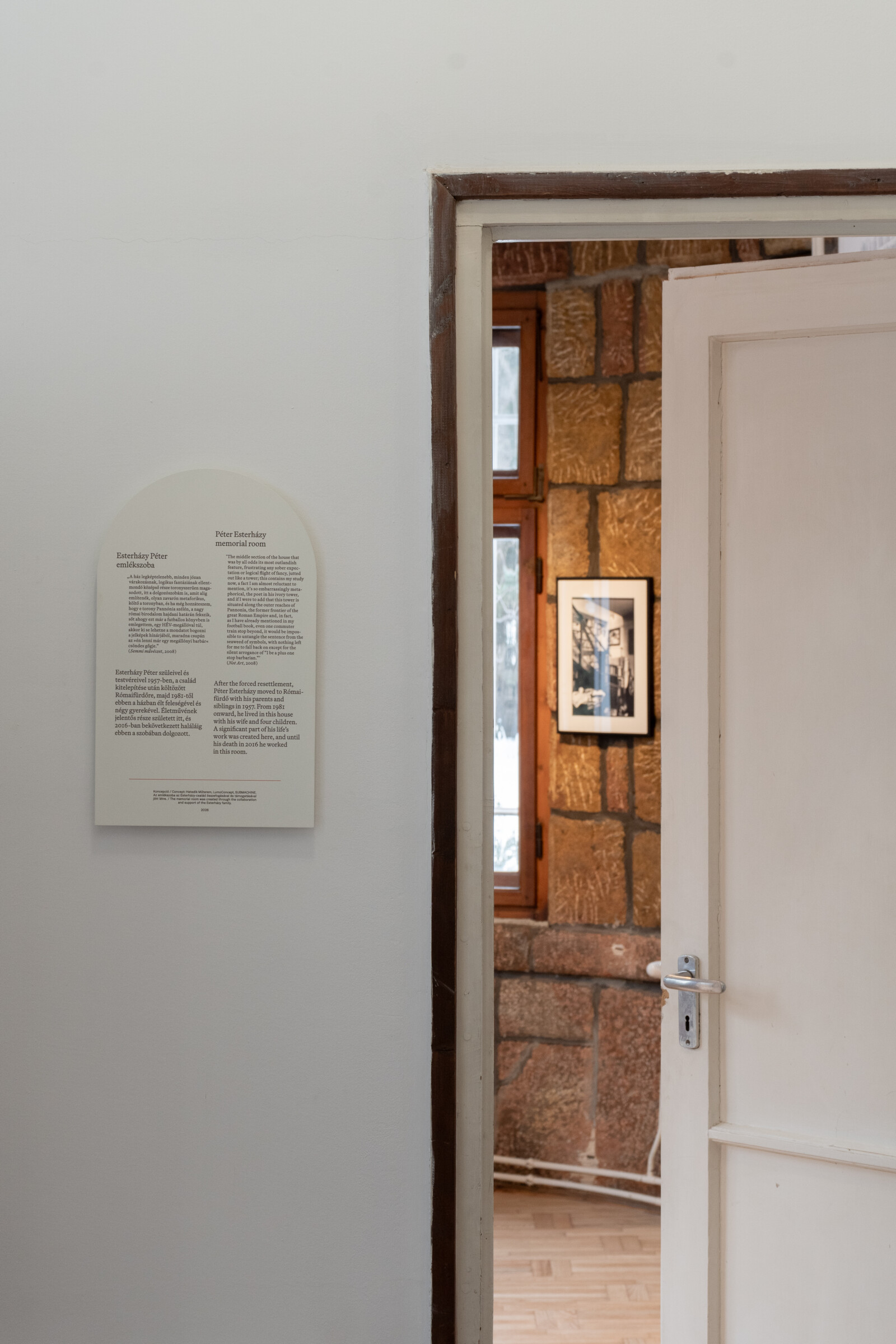
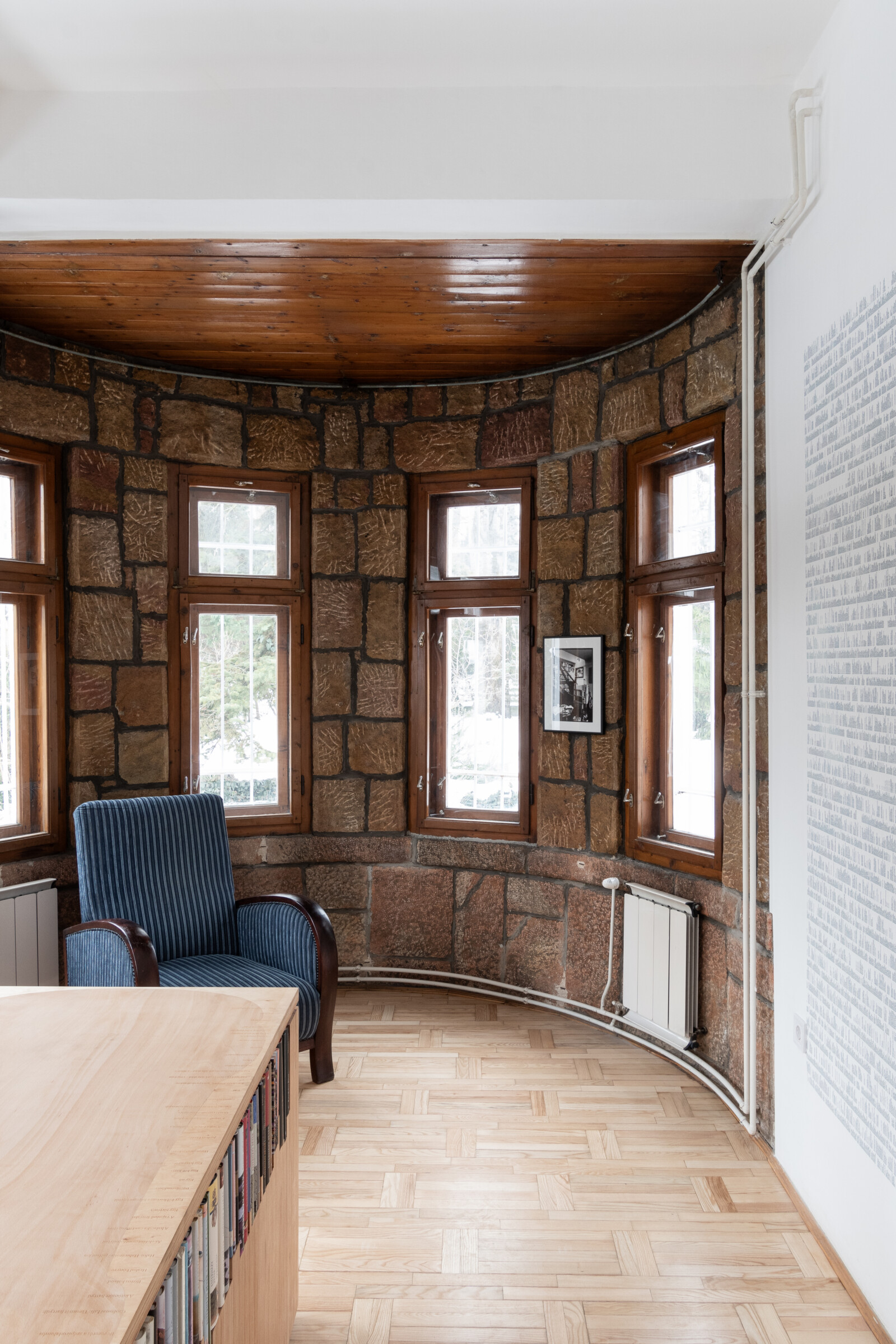
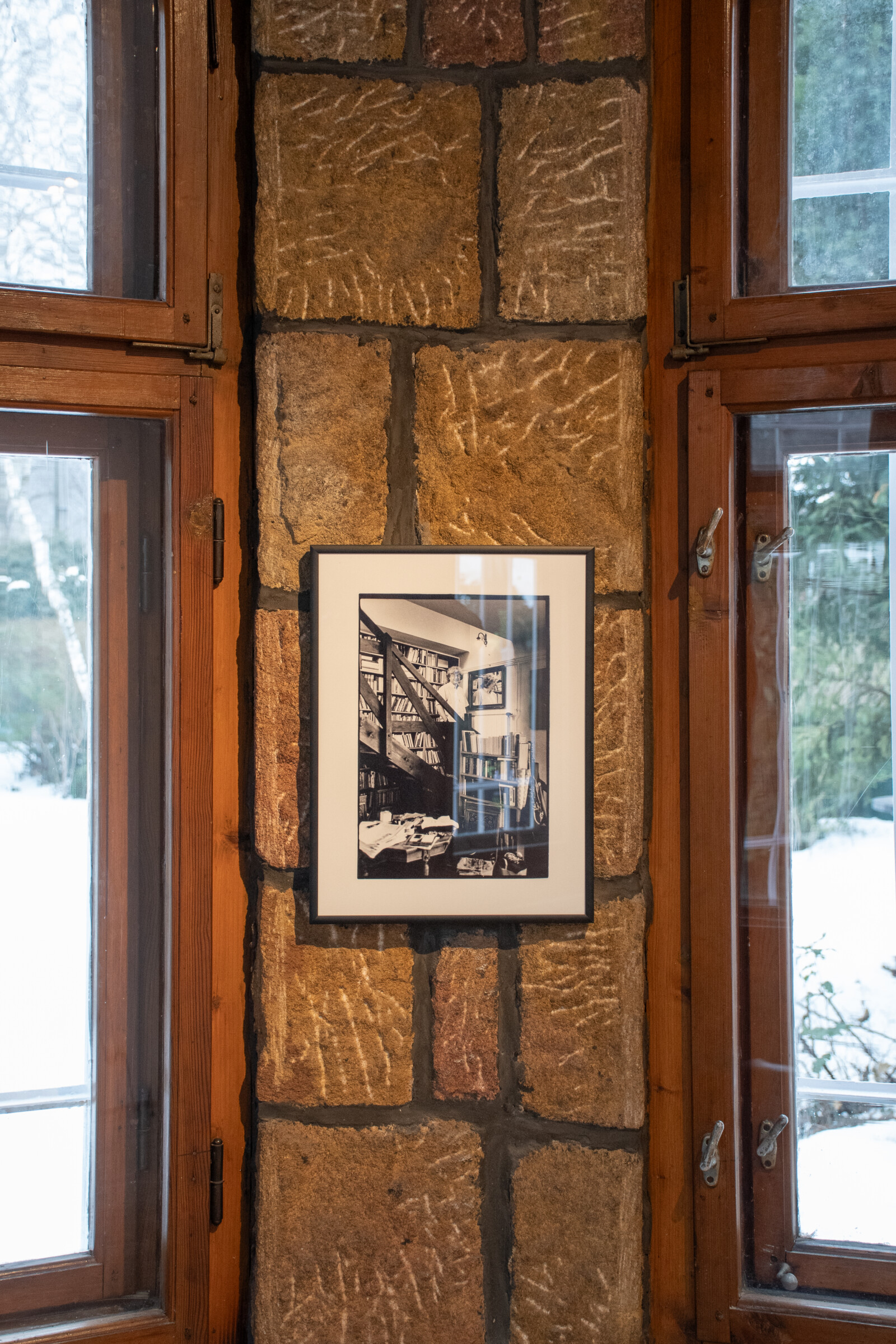
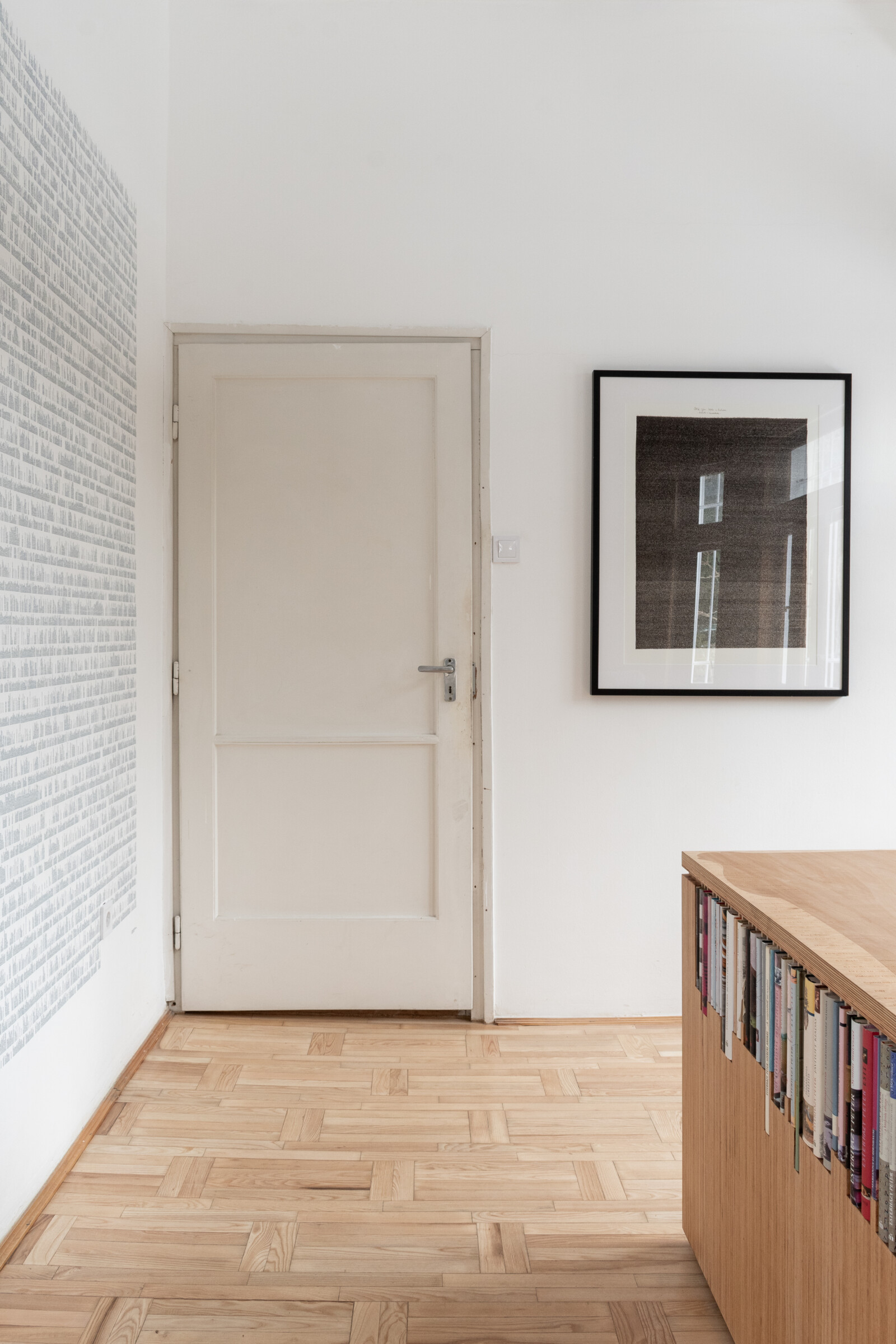
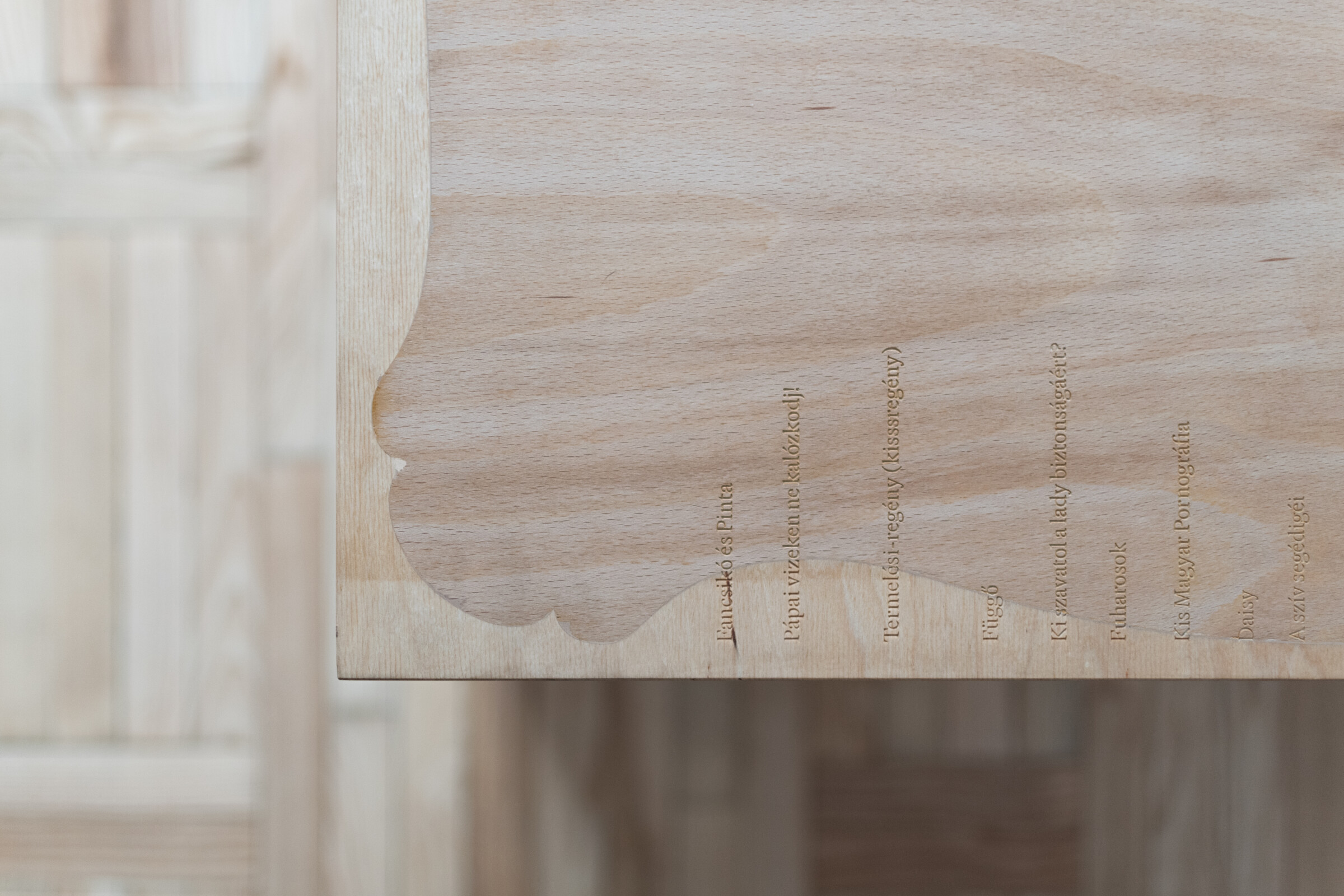
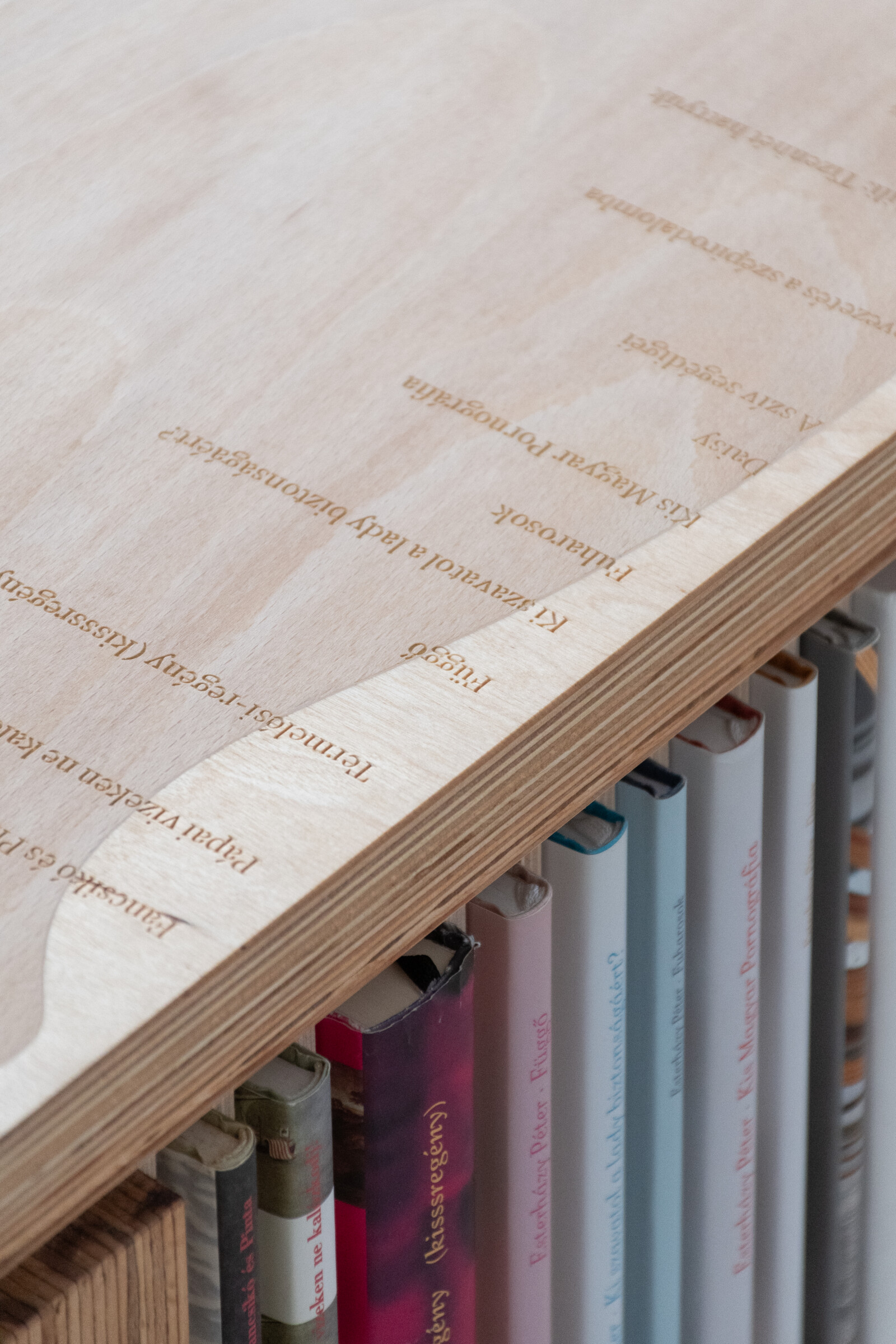
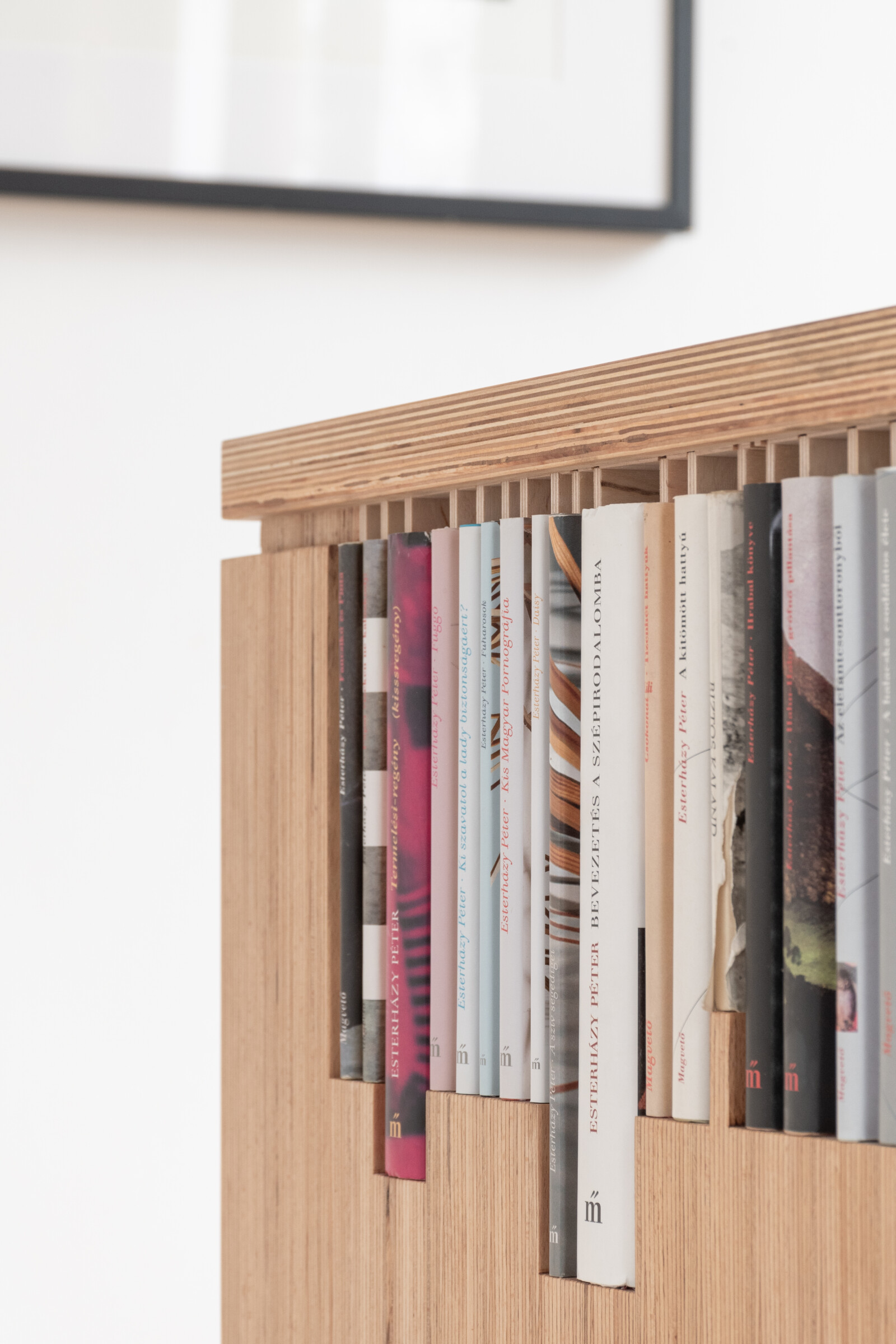
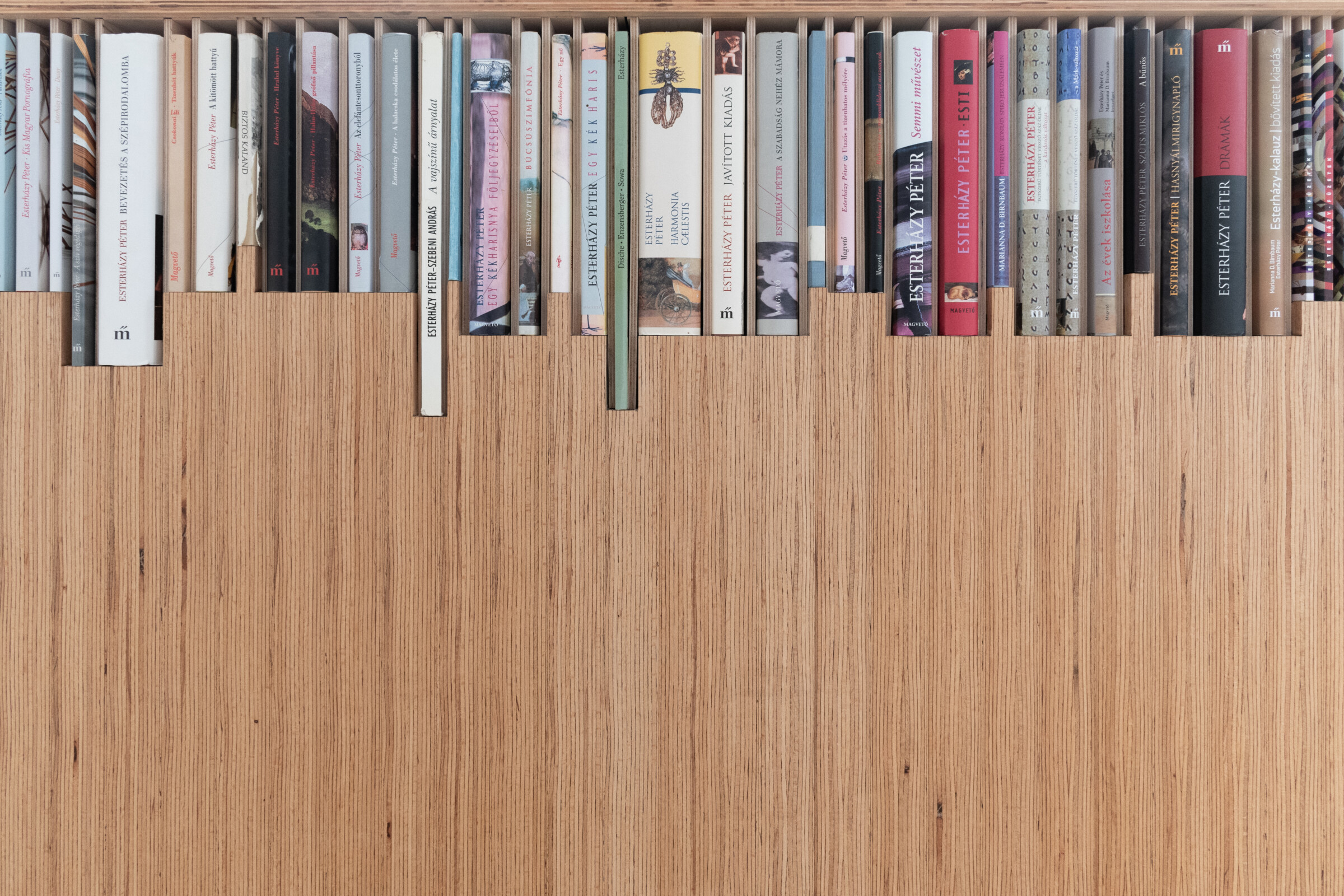
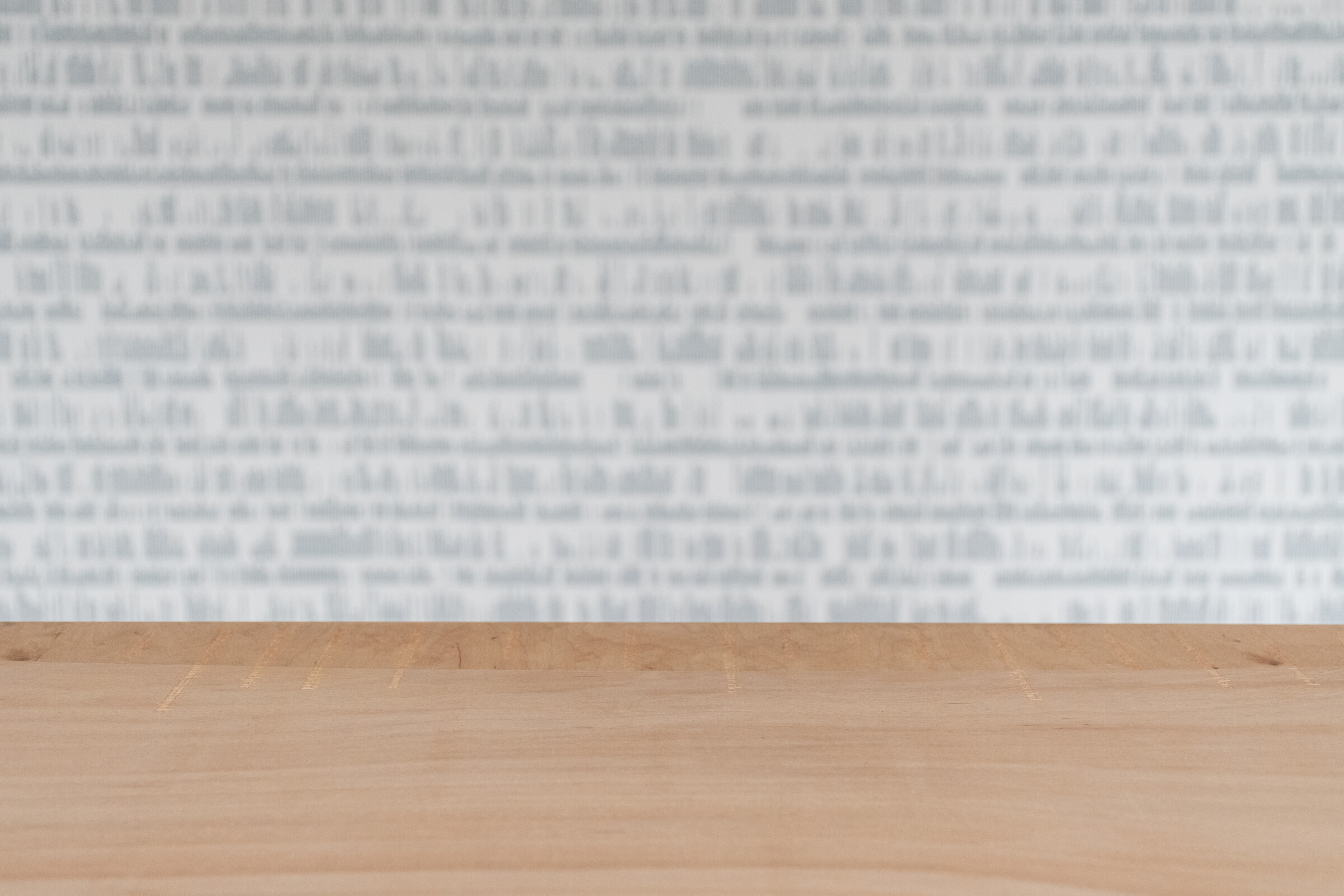
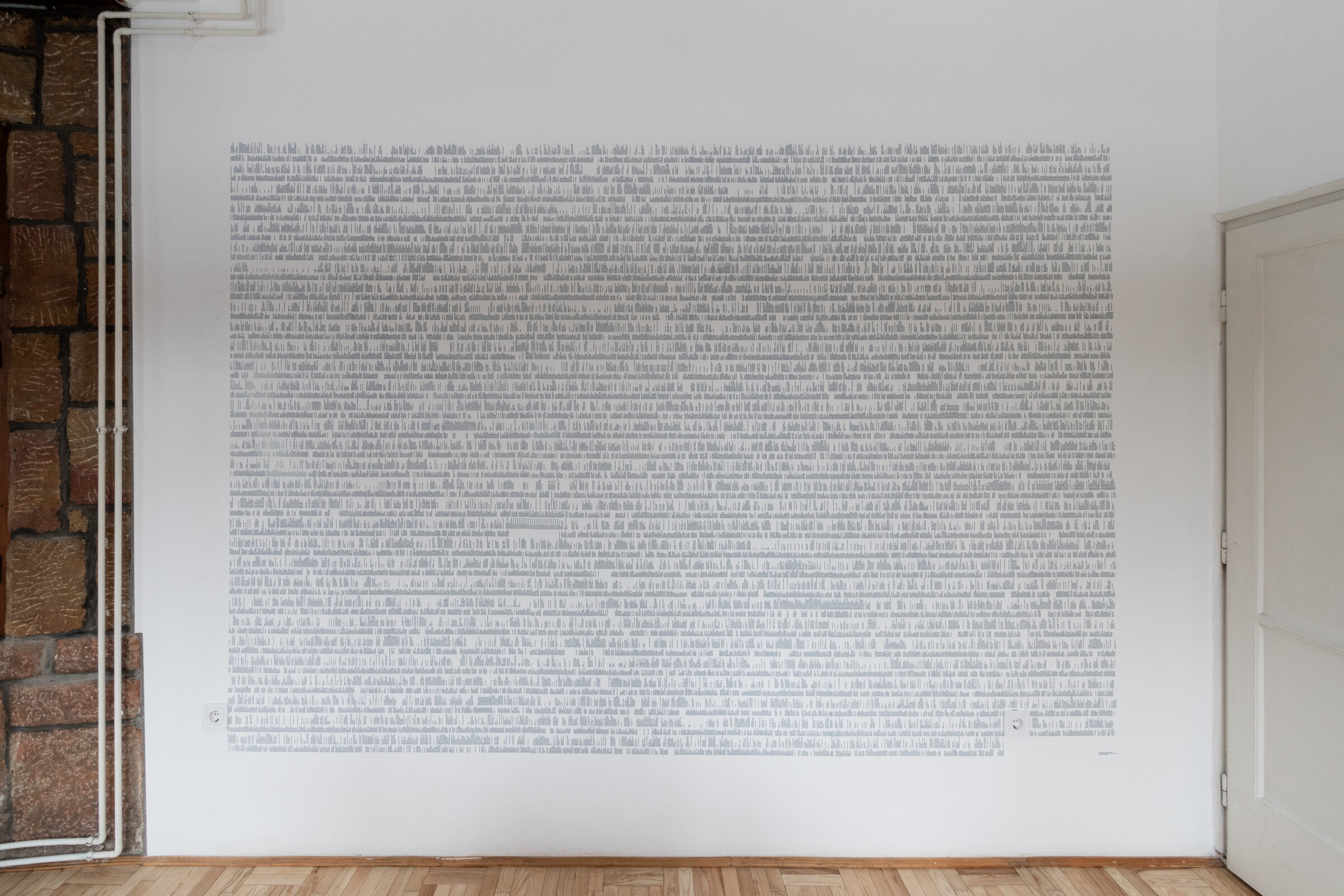
The memorial room, created from the former study room in cooperation with the Esterházy family, reflects the well-known photographs of the space once densely filled with books and personal objects. At its center stands a piece of furniture that follows the contours of Esterházy’s former Baroque desk and contains his published volumes. The Hungarian-language editions are placed in custom-made shelving tailored to the unique dimensions of the books, while a significant portion of the translations are displayed on an open shelf on the opposite side. The outline of the former desk appears inlaid into the horizontal surface. On the walls are the only original copy of Iskola a határon (School on the Border), an archival photograph taken in the building, and an armchair that also belonged to the house. The only large uninterrupted wall surface presents the database of the library of some 10,000 volumes that once filled the rooms of the house—a grid of authors and book titles. Our intention was to create a contemplative space at the site where a significant part of the oeuvre was written, framing the meaning of the place within an architectural and spatial context worthy of reflection, reading, and remembrance.